
Categories
AI Briefs - Global Security And Intelligence News Review - Audio Posts

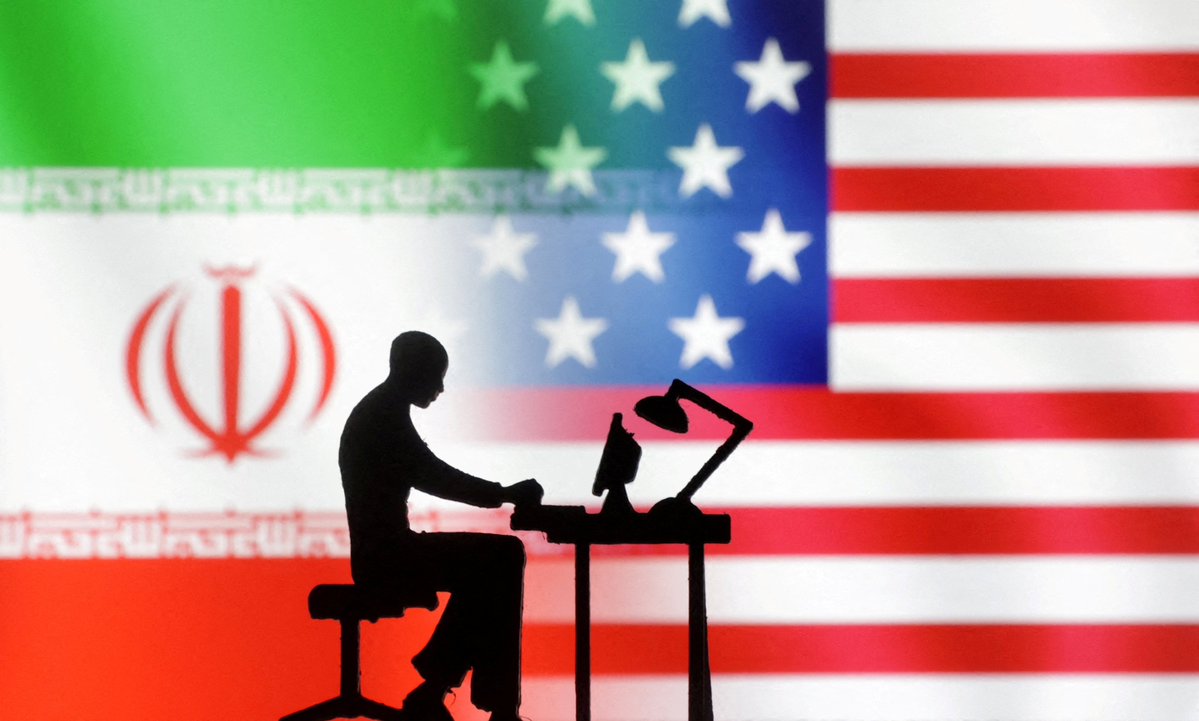
US-Iran tensions escalate amid military buildup and diplomatic shifts

Summary

US-Iran relations are deteriorating rapidly as the Trump administration signals a hardline stance, including potential military escalation and advanced surveillance capabilities. Concurrently, the US is pursuing diplomatic realignments with Syria and Turkey, while Iran reinforces its alliances with proxy groups like the Houthis. These developments suggest a broader recalibration of Middle Eastern geopolitics, with intelligence and military posturing playing central roles.

Key Stories

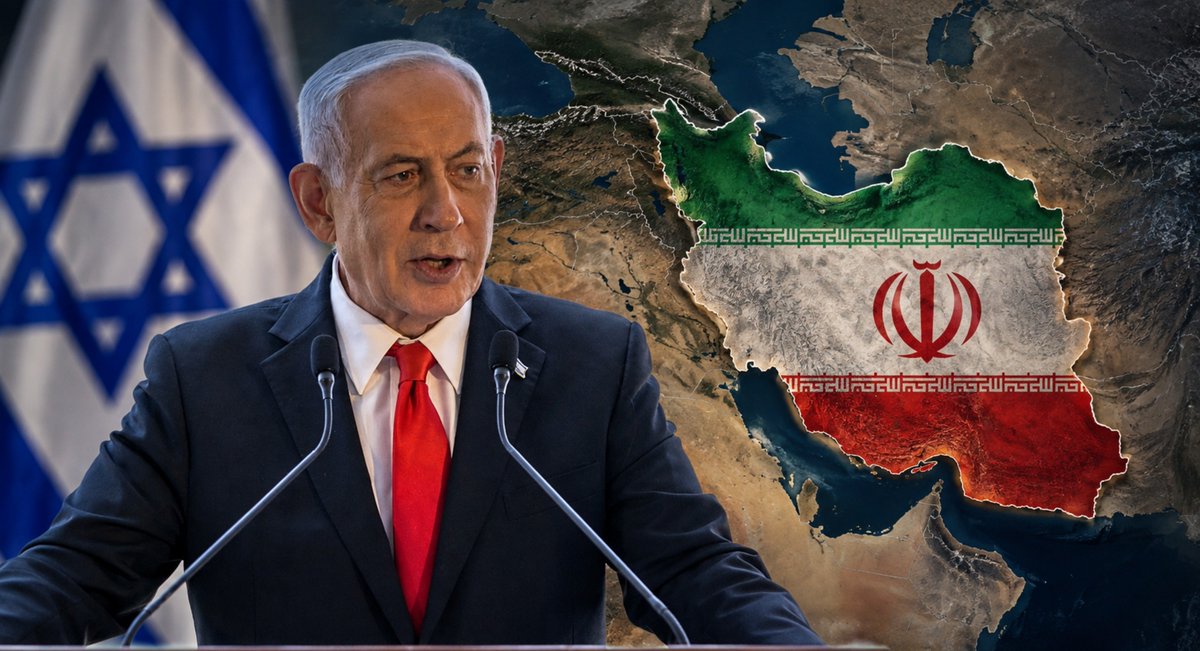
US military assets surge in Gulf as Iran ceasefire collapses — A significant concentration of US reconnaissance and combat aircraft, including P-8s, E-3Gs, and KC-135Rs, has been observed over the Persian Gulf. This follows President Trump’s confirmation that the US-Iran ceasefire has ended, with further kinetic operations anticipated against Iran and its Islamic Revolutionary Guard Corps (IRGC).

Trump administration hardens stance on Iran with surveillance claims — President Trump asserted that US Space Force cameras can read Iranian officials’ badges at nuclear sites, while VP Vance outlined a policy of disproportionate retaliation for attacks on ships. Iran’s Deputy Foreign Minister responded that Tehran must communicate with Trump through a language of strength, signaling a cycle of escalating rhetoric and military posturing.

US seeks rapprochement with Syria and Turkey amid regional realignment — President Trump has requested Congress lift Syria’s terrorism designation, citing stability under President Ahmed al-Sharaa, while Turkish President Erdogan praised Trump’s positive approach to resolving the F-35 dispute. These moves suggest a strategic pivot to counterbalance Iran’s influence and strengthen NATO cohesion.

Iran and proxies deepen coordination as regional tensions rise — A Houthi delegation attended funeral ceremonies in Tehran, underscoring continued political and military coordination between Iran and its proxies. Separately, unverified footage revealed Houthi underground tunnel networks in Yemen, designed to withstand aerial strikes, and Iranian drone production facilities, highlighting resilience in asymmetric warfare capabilities.

OSINT and intelligence gathering gain prominence in geopolitical conflicts — Open-source intelligence (OSINT) is increasingly critical in verifying military developments, such as Ukraine’s downing of a Russian Su-35 jet and US surveillance operations in the Gulf. Training programs and webinars on OSINT techniques are expanding, reflecting its growing role in modern warfare and investigative journalism.

Categories
AI Briefs - Global Security And Intelligence News Review - Audio Posts

Global Shifts in Diplomacy, Populism, and Financial Scrutiny

Summary

Recent developments highlight escalating tensions between populist rhetoric and geopolitical realities, with misstatements and bold claims from political figures drawing scrutiny. Financial probes into sports organizations and grassroots movements for environmental rights suggest broader accountability trends. These shifts may indicate deeper instability in international relations and domestic governance.

Key Stories

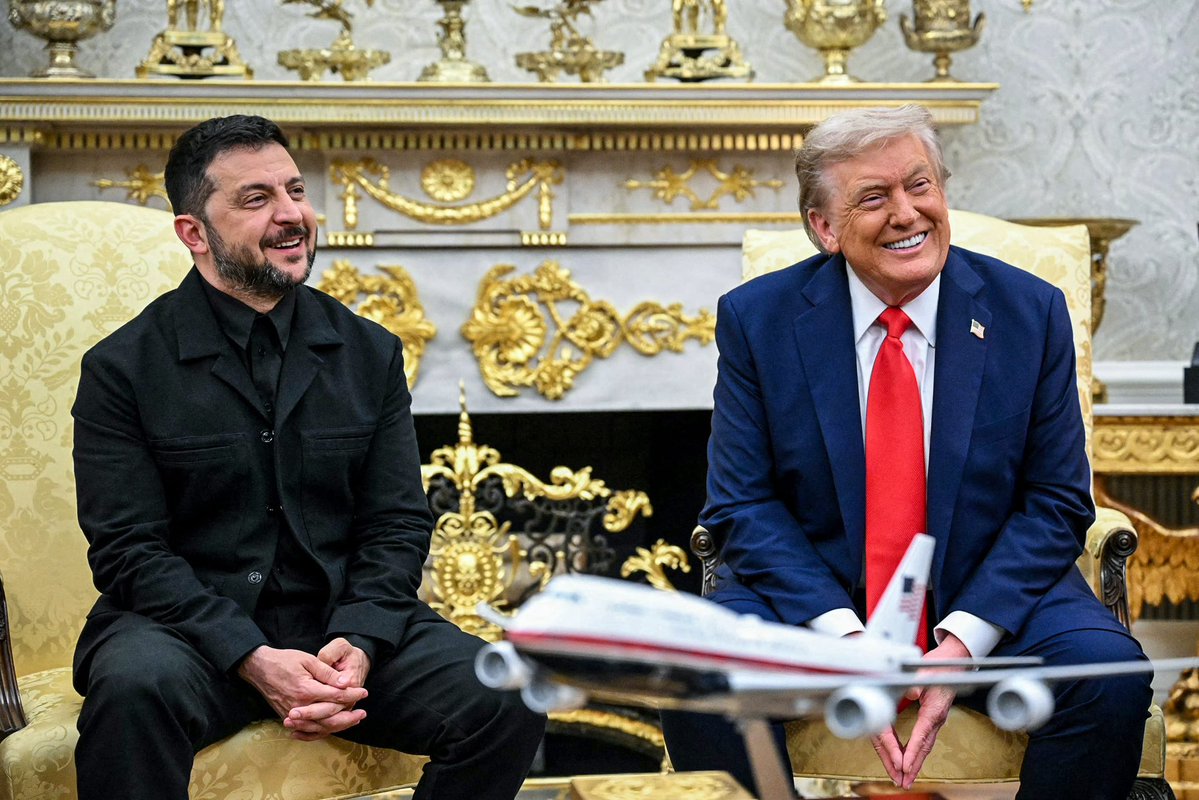
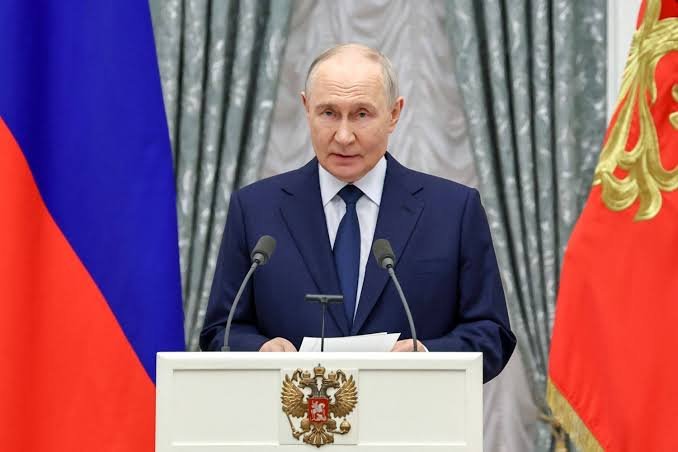
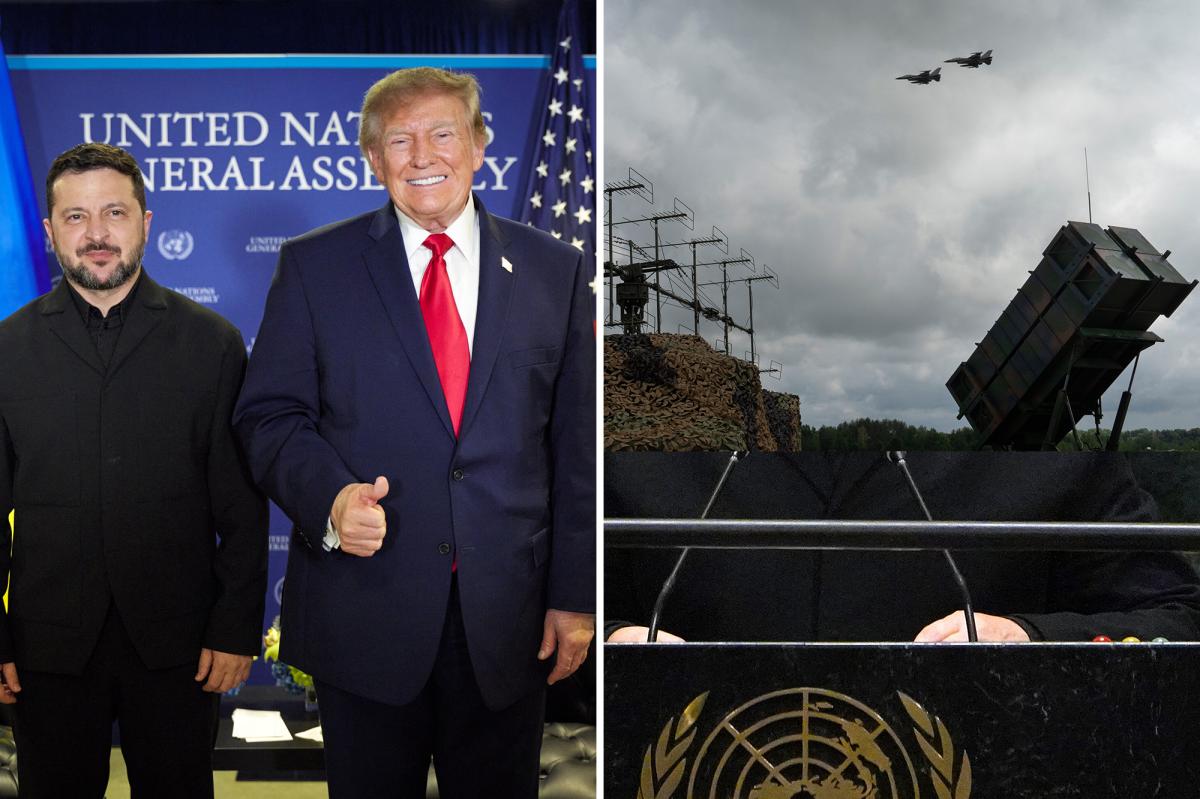
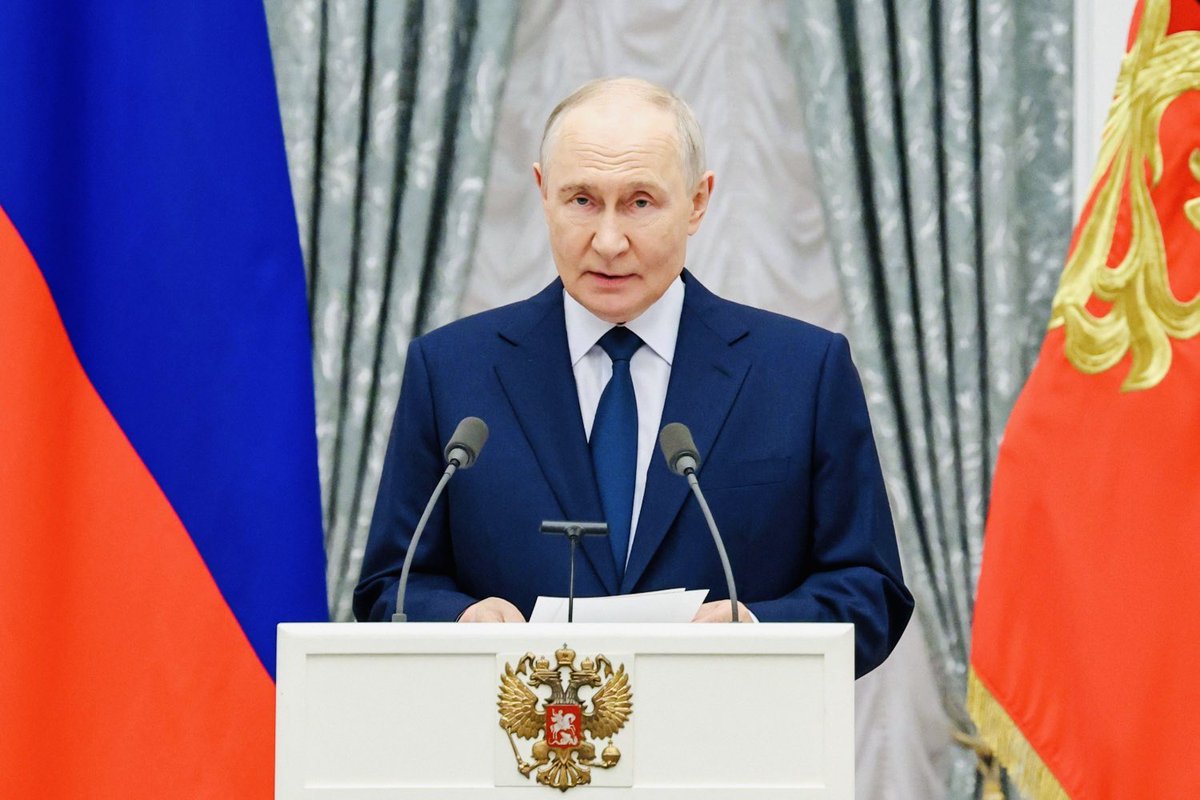
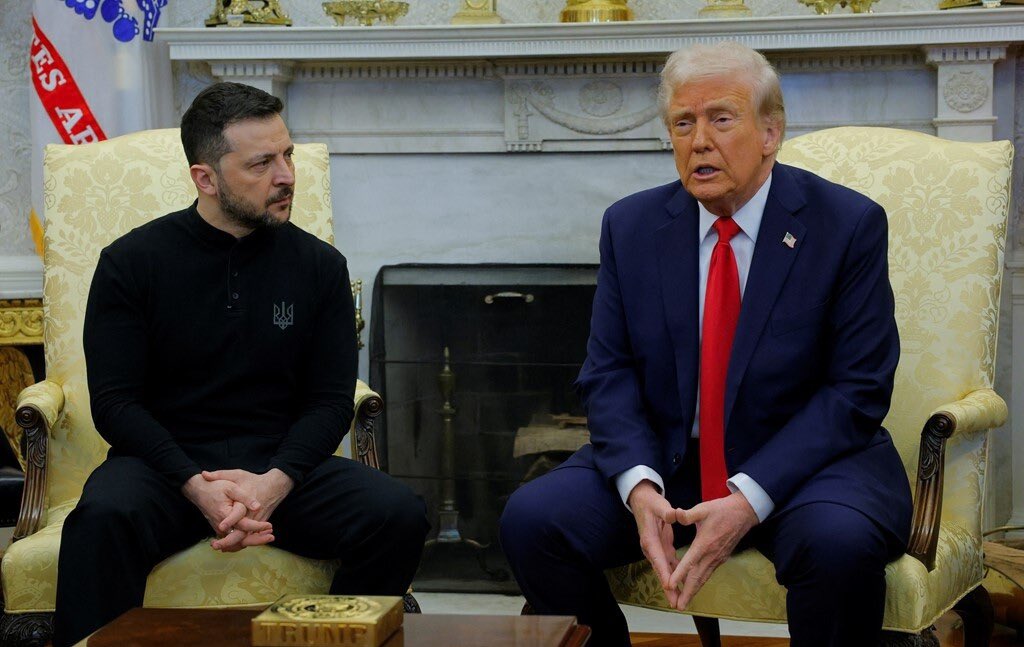
Trump’s diplomatic missteps and claims on Ukraine war spark confusion — Reports detail Trump confusing Ukrainian President Zelensky with Putin and misrepresenting Japan’s demographics, while simultaneously asserting both leaders will meet to negotiate an end to the Ukraine war. His statements suggest a pattern of erratic diplomacy that may undermine credibility in international negotiations.

Populism’s risks resurface amid political and economic instability — Analysis warns of populism’s historical tendency to erode democratic institutions and economic stability, with current global examples reflecting its potential to exacerbate geopolitical tensions. The trend may accelerate as leaders leverage nationalist rhetoric to address complex crises.

FBI investigates Argentine Football Association for alleged money laundering — The FBI’s probe into the finances of the Argentine Football Association signals heightened scrutiny of sports organizations’ financial practices, potentially linked to broader anti-corruption efforts. The investigation may reveal systemic vulnerabilities in global sports governance.

Albanian protests merge environmental rights with political reform demands — Albanians are mobilizing against government policies threatening natural habitats, framing environmental protection as a human rights issue. The movement reflects a growing intersection between ecological activism and demands for transparent governance.

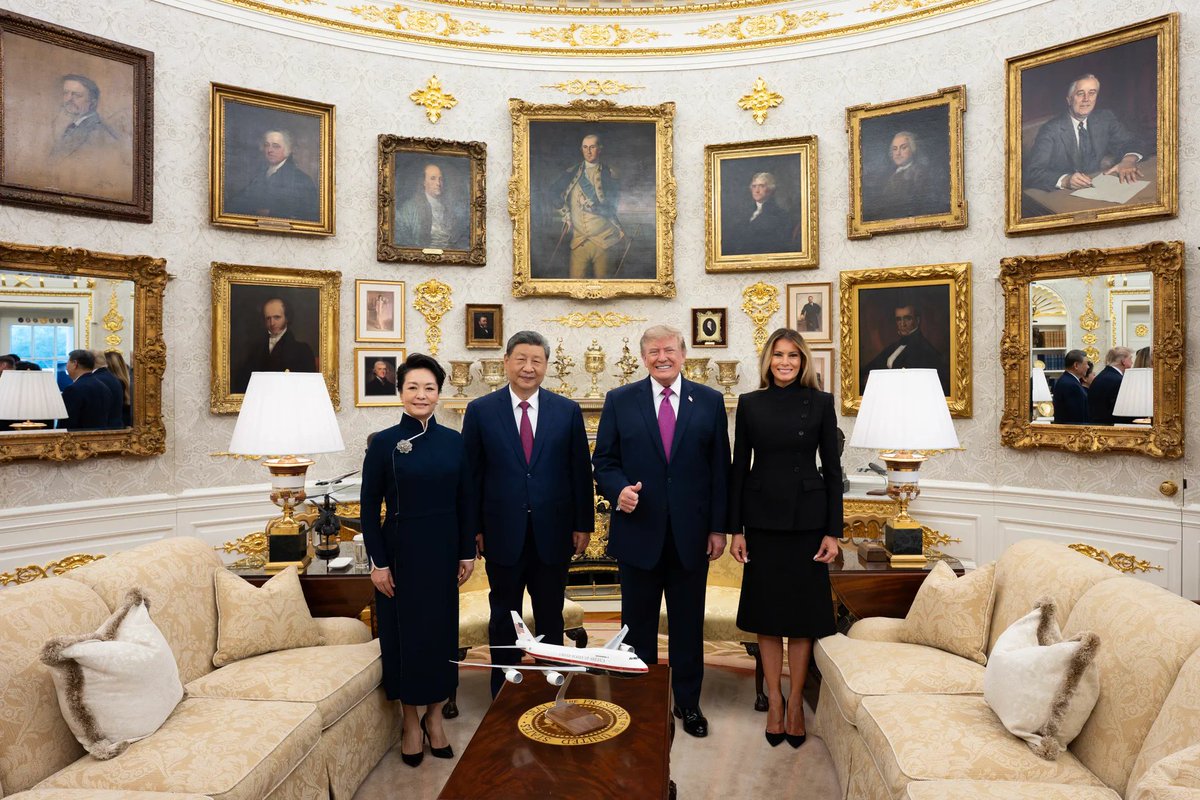
Trump abandons Qatari jet amid safety and equipment concerns — Trump’s decision to reject a Qatari-provided jet, citing expert warnings about equipment reliability, underscores logistical challenges in high-profile political operations. The move may indicate broader risks in diplomatic or campaign-related infrastructure.

Categories
AI Briefs - Global Security And Intelligence News Review - Audio Posts

Escalating Middle East Tensions Disrupt Global Trade and Security

Summary

Renewed US-Iran hostilities in the Strait of Hormuz threaten maritime security, with insurers pausing voyages and the UN urging a halt to transit. Concurrently, FBI forensic scrutiny in a high-profile US case and expanded global probes signal heightened law enforcement focus on transnational crime. Geopolitical fault lines deepen as proxy conflicts, extremist alliances, and military posturing reshape regional stability.

Key Stories

Strait of Hormuz becomes flashpoint as US-Iran ceasefire collapses — President Trump declared the US-Iran ceasefire “over” after fresh attacks on vessels, prompting war insurers to advise shipowners to pause Hormuz transits. The UN maritime head warned of psychological strain on 6,000 stranded seafarers, while Iran prioritizes control of the strait over its nuclear program, risking broader conflict.

FBI forensic evidence faces legal challenges in Charlie Kirk case — Defense lawyers for Tyler Robinson, accused in the Charlie Kirk assassination, are disputing FBI DNA analysis linking him to a crime scene rifle. The case underscores growing scrutiny of forensic techniques in high-profile prosecutions, as the agency simultaneously expands global probes into financial crimes and corruption.

Extremist networks converge in Tehran amid rising anti-West sentiment — American Islamist-left and pro-Iranian activists attended Khamenei’s funeral in Tehran, celebrating the burning of US flags on July 4. The gathering highlights deepening ties between Western extremists and Iranian proxies, with Hamas officials simultaneously outlining a deception strategy to exploit interim Palestinian statehood negotiations.

Israel-Venezuela cooperation expands as IDF targets Hamas commanders — An Israeli delegation presented a national rehabilitation plan to Venezuela’s president, while IDF forces eliminated two Hamas commanders in Gaza. The dual-track approach—humanitarian aid abroad and military strikes at home—reflects Israel’s efforts to counter regional isolation while maintaining pressure on militant groups.

1,000 days of war fuel Israeli protests and Palestinian uncertainty — Israelis marked 1,000 days since the October 7 Hamas attack with demands for government accountability, while Palestinians in Gaza face an uncertain future. Protests and memorials underscore persistent failures in security and diplomacy, with no clear resolution to the conflict.

Categories
AI Briefs - Global Security And Intelligence News Review - Audio Posts

Geopolitical Tensions Escalate as FBI Expands Global Probes

Summary

Renewed U.S. military strikes on Iran and collapsing ceasefire talks dominate headlines, driving oil prices to record highs. The FBI is accelerating investigations into transnational crime, corruption, and financial networks, signaling a shift toward systemic disruption of global criminal ecosystems. Domestic political turmoil, including Senate race controversies and leadership health concerns, adds to instability.

Key Stories

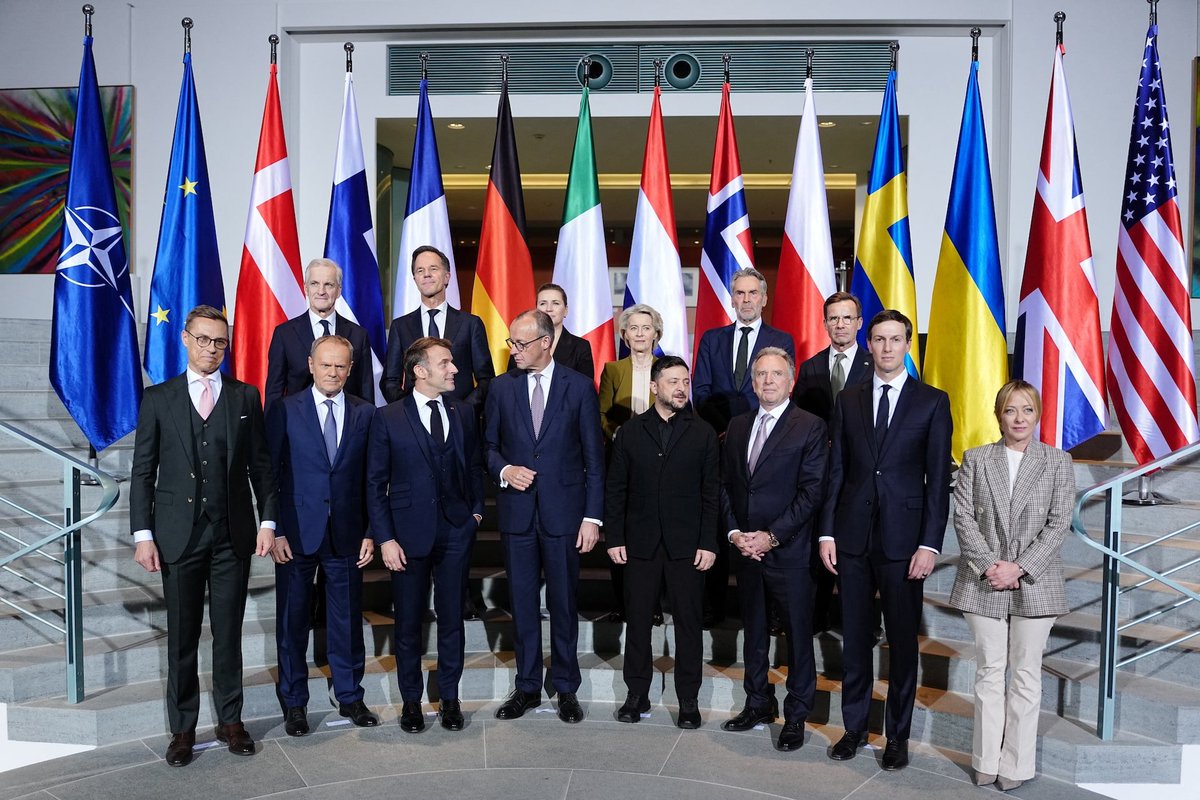
U.S. renews strikes on Iran amid NATO summit, oil prices surge — President Trump addressed NATO allies after the U.S. launched new kinetic strikes on Iran, demanding the reopening of the Strait of Hormuz. Brent crude prices spiked to over $78 a barrel, the sharpest increase since the ceasefire began, as hostilities resume.

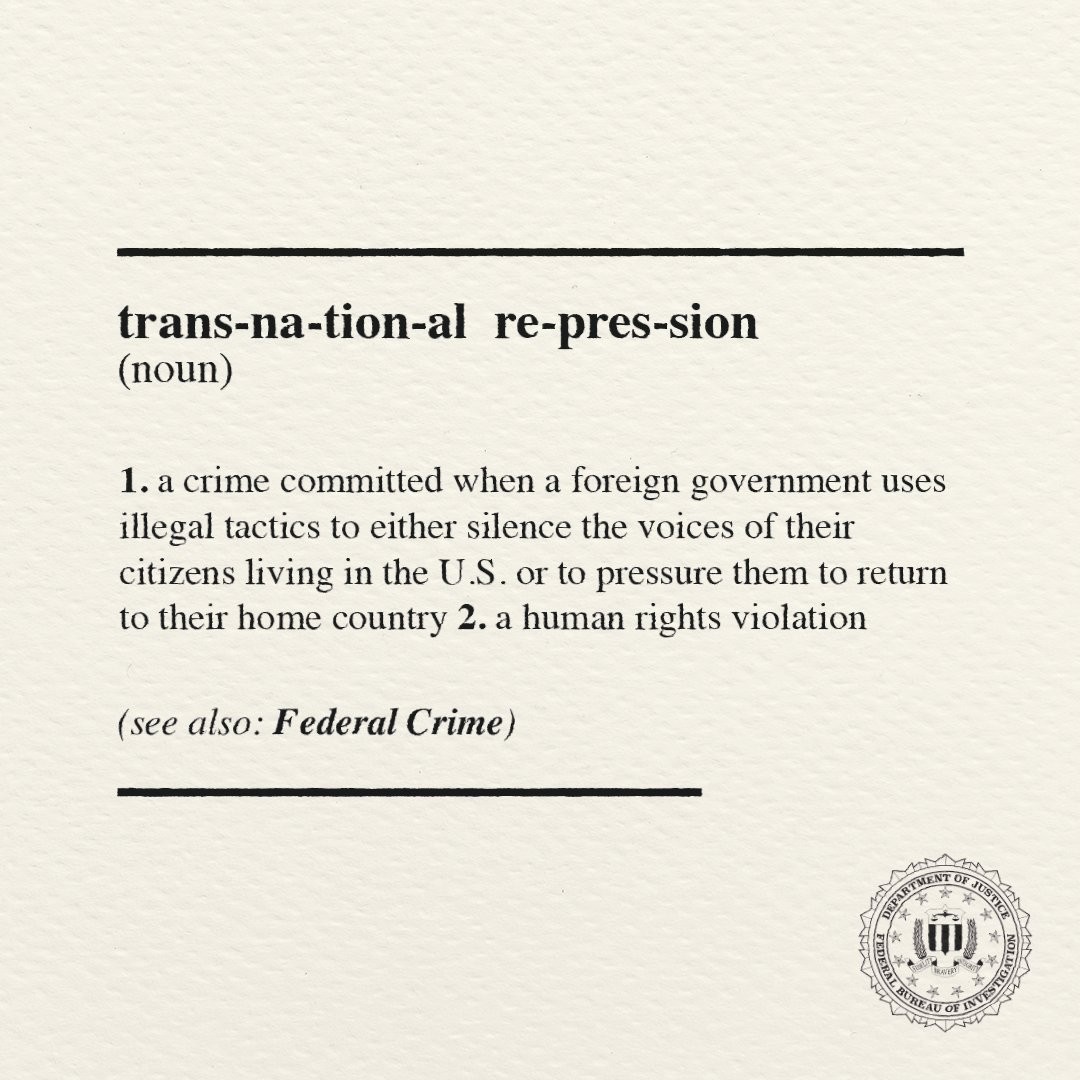
FBI ramps up global probes into crime, corruption, and sports fraud — The FBI is expanding investigations into financial crimes, transnational organized crime, and geopolitical corruption, including high-profile cases targeting the Argentine Football Association. Collaborations with global agencies and OSINT tools suggest a strategic pivot toward dismantling systemic criminal networks.

Maine Senate race roiled by new allegations against Platner — Democrats are calling for Graham Platner to exit Maine’s Senate race after additional allegations emerged. Former Sen. Troy Jackson has filed to replace Platner on the ballot, while party leaders accuse Platner’s campaign of attempting to influence the replacement process.

Kentucky governor seeks clarity on McConnell’s health amid leadership concerns — Kentucky Gov. Andy Beshear has demanded an update on Sen. Mitch McConnell’s health status, citing public transparency. The request underscores growing unease over leadership stability in Congress amid broader political volatility.

FBI forensic evidence disputed in Charlie Kirk assassination case — Defense lawyers for Tyler Robinson, accused in the Charlie Kirk assassination, are challenging FBI DNA analysis linking him to a rifle found at the crime scene. The case highlights scrutiny of forensic techniques in high-profile prosecutions.

Categories
AI Briefs - Global Security And Intelligence News Review - Audio Posts

FBI intensifica investigaciones globales en crimen y corrupción

Summary

El FBI está ampliando sus operaciones contra el crimen organizado transnacional, fraudes financieros y corrupción geopolítica. Casos recientes incluyen investigaciones por lavado de dinero en la Asociación del Fútbol Argentino, fraudes millonarios en Medicare y redes criminales vinculadas a figuras como Lawrence Bishnoi. Estos esfuerzos reflejan una estrategia más agresiva para desmantelar estructuras delictivas con alcance internacional.

Key Stories

FBI investiga lavado de dinero en la AFA con posible fraude de cientos de millones — El FBI analiza transacciones financieras de la Asociación del Fútbol Argentino en EE.UU. por presunto lavado de dinero y fraude electrónico, según informes no confirmados oficialmente. La investigación involucraría operaciones por más de 300 millones de dólares.

Fraude en Medicare lleva a fugitivo a la lista de más buscados del FBI — Khalid Ahmad Sattari, acusado de un fraude de 547 millones de dólares en pruebas genéticas falsas de Medicare, fue incluido en la lista de los más buscados del FBI. Autoridades ofrecen una recompensa de 150,000 dólares por información sobre su paradero.

FBI persigue a redes criminales vinculadas a Lawrence Bishnoi y Goldy Brar — El FBI busca el posible extradición de Lawrence Bishnoi y Goldy Brar, acusados de liderar redes transnacionales de extorsión y asesinatos. La investigación sugiere conexiones con casos de alto perfil en India, Canadá y EE.UU.

FBI mantiene investigación activa sobre disturbios del 6 de enero — El FBI continúa buscando información para identificar a individuos que instigaron violencia durante los disturbios del 6 de enero en Washington D.C. Las autoridades publicaron imágenes de casos pendientes y solicitan colaboración ciudadana.

Tensiones geopolíticas y corrupción dominan agenda del FBI — Las investigaciones del FBI reflejan un enfoque en delitos financieros con implicaciones geopolíticas, incluyendo fraudes en deportes y redes criminales con alcance global. Esto sugiere una expansión de su rol en la lucha contra la corrupción internacional.

Categories
AI Briefs - Global Security And Intelligence News Review - Audio Posts

Geopolitical Tensions and Shifting Alliances Reshape Global Dynamics

Summary

Recent developments highlight escalating geopolitical tensions, particularly involving Iran, alongside high-profile cultural and intelligence narratives. Iran’s violations of international agreements and its regional provocations are drawing sharp condemnation from Gulf nations, while softer responses from Pakistan suggest shifting diplomatic alignments. Meanwhile, intelligence cooperation between Western allies and cultural milestones in entertainment underscore broader strategic and societal shifts.

Key Stories

Iran’s regional aggression sparks condemnation but reveals diplomatic fractures — Iran’s drone and missile strikes on Kuwait and Bahrain, targeting commercial maritime traffic, have been condemned by Gulf nations for violating the U.S.-Iran MOU. Pakistan’s muted response, however, suggests a reluctance to directly criticize Iran, indicating potential diplomatic realignments or strategic calculations in the region.

U.S. and allies bolster intelligence cooperation amid rising threats — France’s DGSE and the CIA are deepening collaboration to track terrorists and hostile states, enhancing early-warning systems. This partnership reflects a broader trend of Western intelligence services adapting to evolving global threats, including those posed by Iran and other adversarial networks.

Cultural and political narratives collide in high-profile awards and statements — The Emmy nominations for ‘Widow’s Bay’ highlight a cultural moment, while Trump’s remarks alongside Syria’s President al-Sharaa underscore U.S. efforts to reinforce alliances, particularly with Israel. These developments suggest a blending of entertainment and geopolitical messaging in public discourse.

Supply chain vulnerabilities expose risks in U.S. AI infrastructure — Bloom Energy’s fuel cells, powering major U.S. AI data centers, rely on Chinese suppliers despite claims of a China-free supply chain. This dependency may provide Beijing with leverage over critical U.S. technological infrastructure, raising national security concerns.

Transnational extremist networks gather in Tehran amid U.S. tensions — American Islamist-left and pro-Iranian activists, including those based in Lebanon and Russia, attended Khamenei’s funeral in Tehran, where they celebrated the burning of American flags. This convergence suggests deepening ties between extremist groups and state actors hostile to U.S. interests.

Categories
AI Briefs - Global Security And Intelligence News Review - Audio Posts

FBI Expands Global Probes into Crime, Corruption, and Sports Fraud

Summary

The FBI is intensifying investigations into financial crimes, transnational organized crime, and geopolitical corruption, with high-profile cases targeting the Argentine Football Association for alleged money laundering and fraud. Parallel operations reveal deeper collaboration with global agencies to dismantle criminal networks linked to extortion, assassination plots, and cross-border financial irregularities. These developments suggest a shift toward leveraging OSINT and forensic tools to address systemic vulnerabilities in international security and sports governance.

Key Stories

FBI probes Argentine Football Association for money laundering and fraud — The FBI launched a formal investigation into the Argentine Football Association (AFA) over allegations of money laundering, tax evasion, and wire fraud tied to financial operations in the U.S. during the 2026 World Cup. Reports indicate the probe focuses on suspicious contracts and transactions exceeding $300 million routed through Florida-based intermediaries.

Global crackdown on transnational crime networks linked to India and Canada — The FBI, alongside U.S. prosecutors, charged an India-based organized crime group with orchestrating the 2023 assassination of a Sikh separatist leader in Canada. Concurrently, Operation Hard Ball targeted India-linked gangs in over 50 U.S. locations, signaling heightened scrutiny of cross-border criminal enterprises.

FBI pursues extradition of Punjab police officer in $3.3 million extortion case — The FBI named a Punjab police station house officer in an alleged $3.3 million extortion scheme, seeking extradition from India. The case underscores the agency’s focus on corruption within law enforcement and its ties to international crime syndicates.

OSINT and forensic tools accelerate FBI’s cyber and transnational crime operations — The FBI is expanding its use of open-source intelligence (OSINT) and forensic interview programs to combat financial corruption and transnational crime. Recent initiatives highlight partnerships with global agencies to track criminal organizations and enhance cyber defense capabilities.

Mexico demands answers from FBI over alleged unilateral operations — Mexican President Claudia Sheinbaum accused the FBI of potentially violating international treaties after reports of unilateral actions on Mexican soil. The dispute reflects growing tensions over jurisdictional sovereignty in cross-border investigations.

Categories
AI Briefs - Global Security And Intelligence News Review - Audio Posts

Global Tensions Rise as Russia, Israel, and US Politics Make Headlines

Summary

Russia’s war in Ukraine is heating up with more attacks ahead of a key NATO summit, while disinformation campaigns add to the chaos. Meanwhile, questions swirl around Israel’s intelligence failures during Hamas’ surprise attack, and US politics grapple with concerns over foreign influence and FBI investigations.

Key Stories

Russia steps up Ukraine attacks before NATO summit — Russia intensified strikes on Ukraine, including deadly attacks on Kyiv, as leaders prepare for a critical NATO meeting. The escalation comes alongside a surge in disinformation tactics aimed at undermining Western support for Ukraine.

How did Israel miss Hamas’ surprise attack? — Analysts are digging into Israel’s intelligence failure that allowed Hamas to launch a devastating attack from Gaza. The breach has raised serious questions about preparedness and response strategies in the region.

Putin’s anti-LGBTQ policies spark global backlash — Russia’s crackdown on LGBTQ rights under the banner of ‘traditional values’ is drawing criticism from human rights groups. The move is seen as part of Putin’s broader nationalist agenda to reshape global perceptions of Russia.

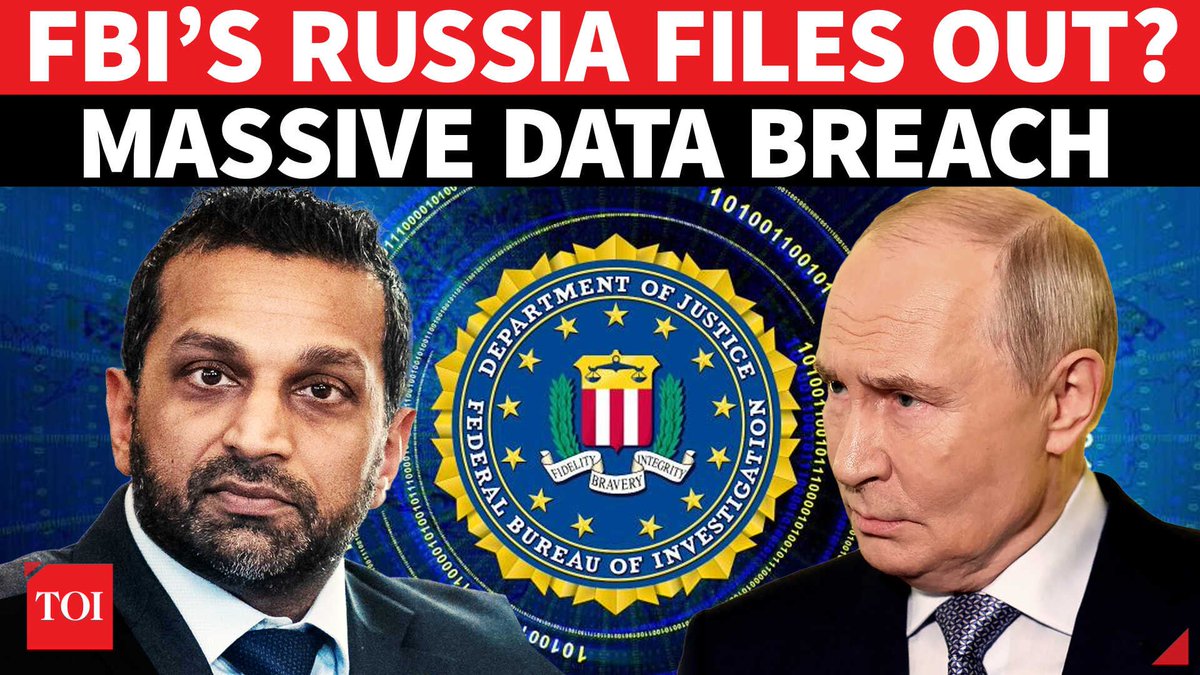
FBI urged to probe Putin’s influence in US politics — Calls are growing for the FBI to investigate potential Russian financial ties to American politics. Concerns center on whether foreign money has seeped into US elections and policy decisions.

Crocus City Hall attack owner surfaces amid controversy — Aras Agalarov, owner of the Moscow concert venue targeted in a deadly attack, has resurfaced publicly. The incident has reignited debates over security failures and political motives in Russia.

Categories
AI Briefs - Global Security And Intelligence News Review - Audio Posts

AI and OSINT Reshape Global Security Amid Shifting Alliances

Summary

AI-powered open-source intelligence tools and FBI operations are accelerating a shift toward autonomous defense systems, while geopolitical tensions escalate with new military and economic measures. The integration of AI with OSINT platforms suggests a move toward real-time threat detection, but also raises concerns about oversight and misuse. Meanwhile, U.S. policy shifts on Ukraine and Iran signal a hardening stance against adversaries, with potential ripple effects across global trade and security alliances.

Key Stories

AI-OSINT partnerships drive autonomous defense systems — A strategic partnership between Swarmer and Ukrainian intelligence firm Molfar highlights the growing fusion of AI and OSINT platforms to create autonomous defense systems. This collaboration may indicate a broader trend toward real-time, AI-driven threat detection and response, reducing reliance on human analysts.

FBI expands probes into cross-border financial networks — The FBI is intensifying investigations into financial corruption, transnational crime, and geopolitical tensions, with high-profile probes targeting sports federations and law enforcement. This suggests a strategic pivot to dismantle cross-border financial networks that enable illicit activities.

U.S. grants Ukraine license to produce Patriot interceptors — The Trump administration approved Ukraine’s co-production of Patriot air-defense interceptors, marking a significant escalation in military support. This move may signal a long-term commitment to Ukraine’s defense while pressuring Russia to reconsider its military strategy.

Trump ends Iran negotiations, threatens naval blockade — President Trump declared negotiations with Iran over, calling its leadership “sick people” and hinting at a potential naval blockade. This shift suggests a departure from diplomatic engagement, with potential consequences for regional stability and global energy markets.

Wildfires and climate crises strain European resources — Thousands evacuated as wildfires rage across southern Europe, underscoring the growing impact of climate change on regional security. The crisis may accelerate investments in disaster response and climate adaptation strategies.

Categories
AI Briefs - Global Security And Intelligence News Review - Audio Posts

OSINT and FBI Actions Reshape Global Security Dynamics

Summary

Open-source intelligence tools are accelerating cyber defense capabilities while the FBI expands investigations into financial corruption, transnational crime, and geopolitical tensions. Emerging partnerships between AI and OSINT platforms suggest a shift toward autonomous defense systems, while high-profile FBI probes into sports federations and law enforcement highlight growing scrutiny of cross-border financial networks.

Key Stories

Enterprise OSINT tools transform cyber defense strategies — A surge in enterprise-grade OSINT platforms is enabling faster threat detection, with tools like BBOT 3.0 offering 15x faster DNS resolution and native integrations with security databases. This suggests organizations are prioritizing real-time intelligence over traditional reactive measures.

FBI targets financial corruption in global sports and law enforcement — The FBI launched investigations into Argentina’s football federation over alleged $300 million money laundering scheme, while charging a Punjab Police officer in an extortion case linked to fugitives. These actions may indicate a broader crackdown on illicit financial flows through sports and public institutions.

AI-OSINT partnership signals shift toward autonomous defense — Swarmer’s collaboration with Ukrainian intelligence firm Molfar to enhance its AI-powered defense platform suggests a growing trend of integrating open-source data with autonomous threat response systems. This could redefine traditional cybersecurity frameworks.

Wildfires and climate crises test OSINT applications in emergency response — Thousands evacuated in southern Europe as wildfires rage, with OSINT tools likely playing a role in real-time situational awareness. The event underscores the expanding use of open-source intelligence beyond cybersecurity into disaster management.

FBI expands forensic and transnational crime operations — The FBI highlighted its child forensic interview program during National Forensic Interviewers Week, while reports emphasize OSINT’s role in tracking transnational criminal organizations. This dual focus suggests a strategic pivot toward both domestic and global threat mitigation.