The Mastermind: Putin and the 9/11 Attacks – TwitterBook: Selected Tweets
Author: wamrqary
Articles and Tweets

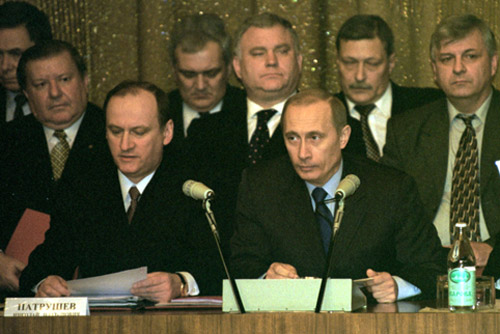
![#Hanning #Patrushev #Germany Hanning and Patrushev August Hanning: Former head of Germany’s foreign intelligence service (BND) from 1998 to 2005, later serving as State Secretary of the Ministry of the Interior. He was arrested and placed under investigation by Germany's Federal Prosecutor's Office in October 2026 on suspicion of espionage and high treason. [1, 2, 3, 4] Nikolai Patrushev: Vladimir Putin’s longtime security c](https://pbs.twimg.com/media/HVA7Px_W4AAE66z.jpg)




![@mikenov: A false-flag operation? In September 1999, a wave of coordinated time-bomb explosions targeted residential apartment buildings across Russia, killing over 300 people, injuring more than 1,000, and sparking the Second Chechen War. [1, 2] Timeline](https://pbs.twimg.com/media/HU641Q8XMAAhSF5.png)


Putin The Mastermind: The Russia – Germany – Israel Hypothesis in the investigation of 9/11 Attacks – Text and Links
Introduction: Putin The Mastermind

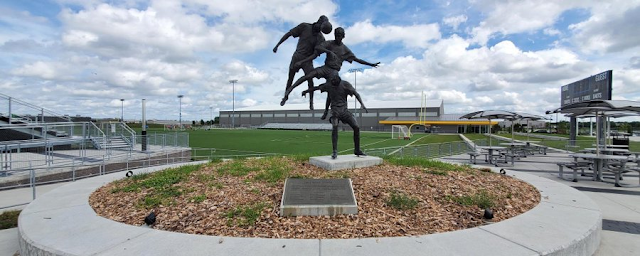
Putin: It is an Art, a Game, the Striker Sport for me. A football. They’ve got a goal, you’ve got a goal. It is a fight, a struggle. In Special Operations, the smartest and the boldest win.
And I would add: It is also A DEEP RAGE, WELL CONTROLLED, CALCULATED, AND WEAPONIZED.
the Stryker Sports Complex in Wichita, Kansas – Google Search
PUTIN THE MASTERMIND – https://x.com/mikenov/status/2111387570470834363
#CIA CIA #FBI FBI #Putin Putin
The MISINVESTIGATION of 9/11 – The Missing Links: Russia, Germany, Israel Hypothesis thenewsandtimes.blogspot.com/2026/10/the-mi
PUTIN THE MASTERMIND
The official narrative of the 9/11 attacks overlooks foreign state sponsorship, the non-state actors like Al-Qaeda were merely “foot soldiers” rather than the true architects. The true “Mastermind” was Putin. It was his operation, one of the series of many, with the common contextual, conceptual, and operational patterns, bearing the traces of his complex political personality, including the traits of the Recruiter and the Uniter.
The post combines personal commentary, social media feeds, and search queries/AI responses to construct an alternative counterintelligence theory regarding the September 11 attacks.
Putin’s reaction to this post: “It is EERIE, Pa. To change the official, the “al Qaeda” version of the results of the 9/11 investigation is like to try to BEND THE SILVER (FAST, EASY) RAIL.”
By “Silver Rail” Putin means the “Al Qaeda” version: “Do not bend the “Silver Rail”.
Search:
Erie, Pa
Bend, Silver Rail
That’s how he communicates: In accidents.
The MISINVESTIGATION of 9/11, blaming the non-state “Al Qaeda” instead of the professional intelligence services of Russia, Germany, and Israel, demonstrated amply, that the FBI at that time was the INCOMPETENT, IMPOTENT BODY, totally subservient to the current Government. And it is not much different now.
Reinvestigate the 9/11, and reform the FBI!
Search:
MISINVESTIGATION of 9/11
MISINVESTIGATIONS of 9/11 by the FBI
–
Foreword
Putin The Mastermind: The Russia – Germany – Israel Hypothesis in the investigation of 9/11 Attacks – Text and Links
Introduction and Foreword
Putin: It is an Art, a Game, the Striker Sport for me. A football. They got a goal, you got a goal. It is a fight, a struggle. The smartest and the boldest win.
And I would add: It is also A DEEP RAGE, WELL CONTROLLED, CALCULATED, AND WEAPONIZED.
the Stryker Sports Complex in Wichita, Kansas – Google Search


The Missing Links
Operation 9/11: The Russia – Germany – Israel Hypothesis
By Michael Novakhov and the Google AI – Recent Posts and Tweets
“The 9/11 Commission Report, despite the vast quantity of labor behind it, is a cheat and a fraud.”

#CIA CIA #FBI FBI #Mossad Mossad
The 9/11 Commission Report – Wikipedia en.wikipedia.org/wiki/The_9/11_
Criticism
Main article: Criticism of the 9/11 Commission
In a 2004 article titled, “Whitewash as Public Service: How the 9/11 Commission Report Defrauds the Nation”, Harper’s Magazine writer Benjamin DeMott wrote:
The plain, sad reality—I report this following four full days studying the work—is that The 9/11 Commission Report, despite the vast quantity of labor behind it, is a cheat and a fraud. It stands as a series of evasive maneuvers that infantilize the audience, transform candor into iniquity, and conceal realities that demand immediate inspection and confrontation. Because it is continuously engaged in scotching all attempts to distinguish better from worse leadership responses, the Commission can’t discharge its duty to educate the audience about the habits of mind and temperament essential in those chosen to discharge command responsibility during crises.[9]
The 9/11 Commission Report – Wikipedia en.wikipedia.org/wiki/The_9/11_
Criticism
Main article: Criticism of the 9/11 Commission
In a 2004 article titled, “Whitewash as Public Service: How the 9/11 Commission Report Defrauds the Nation”, Harper’s Magazine writer Benjamin DeMott wrote:
The plain, sad reality—I report this following four full days studying the work—is that The 9/11 Commission Report, despite the vast quantity of labor behind it, is a cheat and a fraud. It stands as a series of evasive maneuvers that infantilize the audience, transform candor into iniquity, and conceal realities that demand immediate inspection and confrontation. Because it is continuously engaged in scotching all attempts to distinguish better from worse leadership responses, the Commission can’t discharge its duty to educate the audience about the habits of mind and temperament essential in those chosen to discharge command responsibility during crises.[9]
–
THE MISSING LINK: GERMANY’S STATE SUPPORT FOR THE HAMBURG CELL
#CIA CIA #FBI FBI #Mossadd Mossad
The phrase “9/11: the missing link” refers to a prominent public theory and a series of high-profile statements made by August Hanning – News Review
thenewsandtimes.blogspot.com/2026/10/the-ph
My impression:
Hanning was on the right track with his “frequent” remarks about the role of the “STATE SUPPORT” for Hamburg cell, although it is unclear if he considered Germany itself in this role. It was a powerful opinion, at odds with the official version of the non-state Al Qaeda, and someone (the true culprits) probably did not like it, because it could lead directly to them. What followed, looks like a SETUP, the series of traps for Hanning, from his financial ruin (prearranged?) to his various unrelated private investigations which eventually lead to his arrest and current predicament. Now he is effectively shut off from the world and can talk only to his native BND. His former boss Gerhard Schroeder looks unconcerned about this, and, to the contrary, rather happy in his meeting with Putin: was this his birthday present?
It looks like the “STATE SUPPORT” for the Hamburg Cell, of which Hanning frequently spoke out, went directly from Gerhard Schroeder through his own channels, via the local Hamburg politicians, bypassing Hanning; otherwise Hanning would not speak about it so readily, risking to implicate himself and Germany.
The aim of this support was to help the future hijackers in their adaptation to the life in the western society, so they could fit seamlessly and unsuspiciously into the life in the US, while attending the pilots schools. At the same time, they were “egged on” and WEAPONIZED.
–
9/11: the missing link – August Hanning – Google AI Mode: The phrase “9/11: the missing link” refers to a prominent public theory and a series of high-profile statements made by August Hanning, the former head of Germany’s Federal Intelligence Service (BND), regarding the 2001 terrorist attacks. [1, 2] Hanning, who led the BND from 1998 to 2005, has frequently spoken out about a missing link in the official 9/11 investigations—specifically targeting the logistical and financial state support given to the Hamburg Al-Qaeda cell, which included lead hijacker Mohamed Atta.
Hanning has argued that the hijackers could not have lived and operated so seamlessly in Germany without structured, domestic assistance that went largely unmapped by the initial U.S. and German investigations. [1, 2]

9/11: the missing link – August Hanning – Google Search google.com/search?q=9%2F1
The Historical Investigation (August Hanning vs. The 9/11 Hamburg Cell)
Following the September 11, 2001 terrorist attacks, Hanning—acting as the BND chief—headed the German intelligence apparatus tasked with mapping how al-Qaeda pilots like Mohamed Atta operated undetected from Germany. [1, 2]
Operational Failures: The investigation revealed severe intelligence oversight. German authorities admitted they actually had members of the cell and their Marienstrasse apartment under surveillance in 1998 and 1999 due to a suspected bin Laden operative. However, the surveillance was abandoned when investigators failed to connect the students to an active threat. [1]
The Chechnya Pivot: Intelligence records compiled during the post-9/11 investigations showed that the Hamburg cell members initially intended to fight in Chechnya. A chance encounter on a German train with an extremist named Khalid Masri redirected them to a Mauritanian businessman, who subsequently introduced them to Osama bin Laden in Afghanistan, where they were recruited for the plane operation. [1]
Logistical Support: The intelligence findings mapped out how the cell utilized individuals like Said Bahaji and Mounir El Motassadeq to manage routine banking and university affairs while the primary pilots were away training in Afghanistan and the United States, allowing them to avoid drawing the suspicion of immigration officials. [1, 2]
The intersection of these two timelines created a massive political scandal in Germany, shifting August Hanning’s legacy from the man who investigated the 9/11 Hamburg terrorists to a suspect arrested because of a Hamburg police raid on his own home. [1, 2]
The results of Hanning’s investigation of the Hamburg cell: summary – Google Search
google.com/search?q=The+r

#Israel: “Do not train the Saudi pilots, they will turn against you!”
#Russia: ” Do not send your Saudi pilots to Chechnya, they will turn against you!”
#Germany: “Send these moronic pilots anywhere, we don’t care; bur not against us, we had had enough!”
The September 11 attacks shifted this dynamic by significantly modifying how both nations trained their pilots, and altering the structural military relationship between the United States and Saudi Arabia.
The role of the numbers of the well trained pilots in the military competition between Israel and Saudi Arabia: How 9/11 affected this balance? – Google Search
google.com/search?q=The+r
The Historical Investigation (August Hanning vs. The 9/11 Hamburg Cell)
Following the September 11, 2001 terrorist attacks, Hanning—acting as the BND chief—headed the German intelligence apparatus tasked with mapping how al-Qaeda pilots like Mohamed Atta operated undetected from Germany. [1, 2]
Operational Failures: The investigation revealed severe intelligence oversight. German authorities admitted they actually had members of the cell and their Marienstrasse apartment under surveillance in 1998 and 1999 due to a suspected bin Laden operative. However, the surveillance was abandoned when investigators failed to connect the students to an active threat. [1]
The Chechnya Pivot: Intelligence records compiled during the post-9/11 investigations showed that the Hamburg cell members initially intended to fight in Chechnya. A chance encounter on a German train with an extremist named Khalid Masri redirected them to a Mauritanian businessman, who subsequently introduced them to Osama bin Laden in Afghanistan, where they were recruited for the plane operation. [1]
Logistical Support: The intelligence findings mapped out how the cell utilized individuals like Said Bahaji and Mounir El Motassadeq to manage routine banking and university affairs while the primary pilots were away training in Afghanistan and the United States, allowing them to avoid drawing the suspicion of immigration officials. [1, 2]
The intersection of these two timelines created a massive political scandal in Germany, shifting August Hanning’s legacy from the man who investigated the 9/11 Hamburg terrorists to a suspect arrested because of a Hamburg police raid on his own home. [1, 2]
The results of Hanning’s investigation of the Hamburg cell: summary – Google Search
google.com/search?q=The+r
#Israel: “Do not train the Saudi pilots, they will turn against you!”
#Russia: ” Do not send your Saudi pilots to Chechnya, they will turn against you!”
#Germany: “Send these moronic pilots anywhere, we don’t care; bur not against us, we had had enough!”
The September 11 attacks shifted this dynamic by significantly modifying how both nations trained their pilots, and altering the structural military relationship between the United States and Saudi Arabia.
The role of the numbers of the well trained pilots in the military competition between Israel and Saudi Arabia: How 9/11 affected this balance? – Google Search
google.com/search?q=The+r
If Russia, Israel, and Germany are behind 9/11, here are their hypothetical motivations.
Russia intended to stop further unravelling of the USSR by turning the tables on the Western sponsors of Chechen separatists, including the US, Saudi Arabia, and other Muslim countries, by forming the anti-American Al Qaeda as the cover.
Israel intended to ignite the intense hostilities between the Saudi Arabia, other Arab countries, and the US, in the hope of benefitting from it, and strengthening the alliance with the US.
Germany, namely Schroeder, found the way to express their post-WW2 hatred for the US and to affirm their short lived, post-German unification gratitude and closeness with Russia.
These are the large scale, strategic, long term motivations and plans, with 9/11 as the “appropriate” action.
The technical acumen of the Operation 9/11 points to the state sponsored operation, not the half-literate “Al Qaeda”.
All this is pretty much on the surface, and it does not require the deep digging.
What does, is the ease and readiness to be deceived on the part of the CIA, FBI, and other investigators.
The famous American group think and conformity may be the answers to this question.
Russia intended to stop further unravelling of the USSR by turning the tables on the Western sponsors of Chechen separatists, including the US, Saudi Arabia, and other Muslim countries, by forming the anti-American Al Qaeda as the cover.
Israel intended to ignite the intense hostilities between the Saudi Arabia, other Arab countries, and the US, in the hope of benefitting from it, and strengthening the alliance with the US.
Germany, namely Schroeder, found the way to express their post-WW2 hatred for the US and to affirm their short lived, post-German unification gratitude and closeness with Russia.
These are the large scale, strategic, long term motivations and plans, with 9/11 as the “appropriate” action.
The technical acumen of the Operation 9/11 points to the state sponsored operation, not the half-literate “Al Qaeda”.
All this is pretty much on the surface, and it does not require the deep digging.
What does, is the ease and readiness to be deceived on the part of the CIA, FBI, and other investigators.
The famous American group think and conformity may be the answers to this question.
And of course our universal, human, all too human ability for Denial and Self-deception.
It protects us from the Unbearable Pain of Knowledge.

My Opinion:
It is very unlikely that any documents on the true origins of 9/11 exist in principle – the matter is so sensitive and explosive. The plan was known to the very few people, presumably to Putin the Mastermind, his second, Bortnikov, likely, Schroeder, and probably some Mossad Chiefs. Hanning’s knowledge and tasks were likely limited by the Hamburg Cell. However, his ability to communicate with Russia and Israel, directly or via Azerbaijan, point to possibility of sharing this information and coordination. Hanning can disclose this and other information if he is given a good enough incentive in the process of further investigations.
It is very unlikely that any documents on the true origins of 9/11 exist in principle – the matter is so sensitive and explosive. The plan was known to the very few people, presumably to Putin the Mastermind, his second, Bortnikov, likely, Schroeder, and probably some Mossad Chiefs. Hanning’s knowledge and tasks were likely limited by the Hamburg Cell. However, his ability to communicate with Russia and Israel, directly or via Azerbaijan, point to possibility of sharing this information and coordination. Hanning can disclose this and other information if he is given a good enough incentive in the process of further investigations.

#Russia and 9/11: Zawahiri, #Litvinenko, #Borovoy
While mainstream intelligence agencies and the 9/11 Commission report attribute the attacks strictly to Al-Qaeda operating out of Afghanistan and Pakistan, the testimonies of Litvinenko and Borovoy remain the foundation for theories that the Kremlin conducted a dangerous “double game” with the hijackers’ leadership.
–

WHO BENEFITED? RUSSIA, GERMANY, ISRAEL.
THE EFFECTS: WHAT HAPPPENED AFTER 9/11?
The After Effects of 9/11 in suspected players and US:
THE RIGHTIST REALIGNMENT:
9/11 caused a global shift to the Right, in tune with Putin’s “conservatism”.
Mission accomplished!
Search:
How did Israel benefit geopolitically from 9/11?
How did Schroeder’s Germany change politically and geopolitically after 9/11?
How did Putin’s Russia change politically and geopolitically after 9/11?
Political shift to the Right in US after 9/11
RIGHTIST REALIGNMENT after 9/11
Putin’s conservatism
THE RIGHTIST REALIGNMENT:
9/11 caused a global shift to the Right, in tune with Putin’s “conservatism”.
Mission accomplished!
Search:
How did Israel benefit geopolitically from 9/11?
How did Schroeder’s Germany change politically and geopolitically after 9/11?
How did Putin’s Russia change politically and geopolitically after 9/11?
Political shift to the Right in US after 9/11
RIGHTIST REALIGNMENT after 9/11
Putin’s conservatism
Search: How did Israel benefit geopolitically from 9/11?
Geopolitical analysts and historians state that the September 11 attacks significantly altered the strategic landscape of the Middle East, yielding several geopolitical shifts that aligned with Israeli security objectives. While the immediate aftermath introduced complex diplomatic dynamics, the long-term changes fundamentally integrated Israel’s localized conflicts into a broader global framework.
According to assessments by foreign policy experts and historical analyses, Israel’s geopolitical position shifted in the following key ways:
Convergence of the Counter-Terrorism Narrative
- Alignment with the “War on Terror”: Political scientists note that the post-9/11 era allowed Israel to successfully reframe its ongoing conflict with Palestinian militant groups. Instead of being viewed purely through the lens of a regional nationalist struggle, the conflict was increasingly perceived in Western capitals as part of the global fight against radical Islamist extremism. [1, 2, 3]
- Shifts in Public Opinion: In the years following the attacks, Israeli political figures, including Benjamin Netanyahu, observed that the shared experience of terrorism swung American public opinion and political policy more firmly in Israel’s favor. [4, 5]
Deepened Strategic and Intelligence Cooperation
- Security Integration: The United States dramatically expanded its intelligence sharing, joint military training, and counter-terrorism funding with Israel. Israeli expertise in urban warfare, surveillance technologies, and homeland security became highly sought after by U.S. agencies. [3]
- Legitimization of Military Tactics: Academic critics and civil rights organizations argue that the post-9/11 environment provided Israel with the diplomatic cover to implement harsher counter-insurgency measures and expand infrastructure, such as West Bank barriers, under the universal justification of national security. [3, 6]
Neutralization of Regional Adversaries
- The Overthrow of Saddam Hussein: The geopolitical ripple effects of 9/11 directly led to the 2003 U.S. invasion of Iraq. The removal of Saddam Hussein eliminated a major Arab military power that had historically funded anti-Israel militancy and posed a conventional military threat to Israel’s eastern flank.
- Pressure on Hostile Regimes: The U.S. focus on state sponsors of terrorism intensified international diplomatic and financial pressure on other regional rivals of Israel, such as Syria and Iran. [7]
Counter-Arguments and Diplomatic Friction
Despite these advantages, regional analysts emphasize that 9/11 did not benefit Israel unconditionally. In the immediate aftermath, the Bush administration aggressively sought to build a wartime coalition that included Arab states like Saudi Arabia. [8]
Reports from The Washington Institute for Near East Policy highlight that this dynamic initially created significant friction between Washington and Jerusalem, as Israeli leaders feared the U.S. would make diplomatic concessions regarding the Palestinian track to appease its new Arab coalition partners. Additionally, the long-term regional instability caused by the removal of Iraq’s government inadvertently paved the way for a substantial expansion of Iranian influence across the region, presenting Israel with a new, highly complex strategic challenge. [7, 9, 10]
–
Search: How did Schroeder’s Germany change politically and geopolitically after 9/11?
Following the September 11 attacks, Chancellor Gerhard Schröder’s Germany experienced a profound political transformation and structural geopolitical shift, fundamentally moving away from its post-WWII military reluctance toward an assertive, independent role in global security.
Political Changes: Domestic Security and Coalition Strain
- The Proclamation of “Unlimited Solidarity”: Immediately after the attacks, Schröder declared Germany’s “unlimited solidarity” (uneingeschränkte Solidarität) with the United States. This was a massive psychological pivot for a nation deeply anchored in post-war pacifism.
- The 2001 Vote of Confidence: To fulfill his promise of military support in Afghanistan, Schröder faced fierce resistance from fundamentalist factions within his own center-left SPD-Green coalition. To force compliance, he tied the deployment of 3,900 Bundeswehr troops to a vote of confidence in November 2001. He narrowly won, consolidating his leadership but exposing deep ideological rifts on the German left.
- Domestic Anti-Terror Legislation: Domestically, Germany enacted sweeping security reforms. Prompted by the discovery that the “Hamburg cell” (including Mohamed Atta) had used Germany as a launching pad, the government passed the “Otto Schily” anti-terror packages. These laws banned extremist religious associations, enhanced intelligence sharing, and tightened immigration and border surveillance.
- The 2002 Electoral Rescue: Defying poor economic forecasts, Schröder weaponized his evolving foreign policy during the 2002 federal election. His strict, popular refusal to join the upcoming U.S. campaign in Iraq rallied his base and saved his coalition from defeat.
Geopolitical Changes: A Sovereign and Independent Foreign Policy
- Breaking Post-WWII Military Taboos: Following its 1999 intervention in Kosovo, Germany further shed its historic “culture of restraint” by sending troops to Afghanistan. It eventually became one of the largest troop contributors to the International Security Assistance Force (ISAF), signaling that German security was now to be defended far beyond its borders.
- The Transatlantic Rift (The “German Way”): While 9/11 initially drew Berlin and Washington closer, the relationship fractured over the 2003 Iraq War. Schröder forcefully opposed the U.S.-led invasion, arguing it would jeopardize the global anti-terror coalition. For the first time since 1945, Germany openly defied a major American military initiative.
- The Paris-Berlin-Moscow Axis: Rejecting Washington’s unilateralism, Schröder oriented German geopolitics toward a diplomatic axis with Jacques Chirac’s France and Vladimir Putin’s Russia. 9/11 catalyzed a “partnership for modernization” with Moscow, as Schröder used the anti-terror paradigm to soften criticisms of Russia’s actions in Chechnya, paving the way for deep energy dependencies like the Nord Stream pipeline agreement.
Through these shifts, the post-9/11 era transformed Germany from a “civilian power” hiding behind its past into a sovereign actor prepared to project military force abroad, while asserting geopolitical autonomy from the United States.
Would you like to explore the specific details of the 2001 vote of confidence, or would you prefer a closer look at how the post-9/11 anti-terror laws affected Germany’s privacy regulations?
–
Search: How did Putin’s Russia change politically and geopolitically after 9/11?
The September 11 attacks served as a major catalyst for Vladimir Putin to reshape Russia’s domestic and foreign policy. Putin leveraged the global War on Terror to consolidate domestic political power and launch a dramatic, albeit short-lived, geopolitical pivot toward the West.
This period fundamentally transformed how Russia interacted with global powers and accelerated its transition toward centralized authoritarianism.
Geopolitical Transformations
The immediate aftermath of 9/11 marked a radical departure from traditional Russian foreign policy paradigms. [1]
- The Westward Pivot and Tactical Partnership: Putin was the first foreign leader to call U.S. President George W. Bush after the attacks, offering immediate condolences and strategic alignment. Overruling heavy pushback from his own military and security apparatus, Putin announced a five-point support program for the U.S. military campaign in Afghanistan. This included sharing intelligence, opening Russian airspace for humanitarian flights, and giving the green light for U.S. forces to utilize military bases in former Soviet Central Asian republics. [2, 3, 4]
- Reframing the Chechen War: Domestically, Russia had been fighting a brutal civil war against Chechen rebels, whom the Kremlin previously labeled as “bandits” or regional separatists. After 9/11, Putin successfully reframed the conflict to the international community as a front-line battle against global Islamic terrorism. This effectively shielded Russia from Western criticism regarding human rights abuses in Chechnya and legitimized his “strongman” political identity. [5, 6, 7]
- The Souring of Relations: The post-9/11 geopolitical alignment was brief. Moscow expected a quid pro quo that respected Russia’s pre-eminence and sphere of influence in the former Soviet space. Instead, the U.S. unilaterally withdrew from the Anti-Ballistic Missile (ABM) Treaty in 2002, expanded NATO into the Baltic states, and invaded Iraq in 2003 despite fierce opposition from Russia, France, and Germany. By 2002–2003, Putin’s brief experiment with Western integration gave way to deep disappointment, laying the groundwork for a highly aggressive, anti-Western foreign policy. [4, 7, 8, 9, 10]
Political and Domestic Transformations
Domestically, the post-9/11 climate allowed Putin to accelerate the centralization of state authority under the banner of national security.
- Authoritarian Consolidation: Putin utilized the global focus on anti-terrorism to justify the systematically top-down restructuring of the Russian state. Over the years that followed—further catalyzed by domestic tragedies like the 2004 Beslan school siege—the Kremlin eliminated the direct election of regional governors, heavily tightened its grip on mass media, and severely restricted political opposition. [7, 9, 10]
- Marginalization of the Oligarchs: To unify the state, Putin dismantled the political influence of the 1990s oligarchs. He made it clear that their wealth and corporate standings were strictly conditional upon absolute personal loyalty to the Kremlin and total abstention from domestic politics. [7]
- National-Patriot Narrative: The political landscape shifted from the chaotic, nascent democracy of the Yeltsin era toward a highly nationalistic, sovereign model. Putin successfully blended economic modernization with a narrative of state survival, gradually shifting his rhetoric to portray Western institutions not as potential partners, but as existential threats seeking to encircle and weaken Russia. [5, 7, 9, 11]
For further analysis on this historical pivot, you can read the comprehensive breakdown of the post-Soviet transition in Politics Trove or explore the archived analysis of Russia’s immediate reaction via the Brookings Institution.
–
August Hanning’s communications implicate both Israel and Russia in the hypothetical origins of 9/11 – Google Search google.com/search?q=Augus
The order of importance:
Putin – FSB – Russia – Israel – Germany, each of whom had their own goals
The miserable Arab “culprits” are just the patsies and the SCAPEGOATS!
The blame for MISINVESTIGATION of 9/11 is on Bush administration, FBI at that time, and Robert Mueller.
REINVESTIGATE THE 9/11!
Kash Patel, please add it to your list of the FBI historical mistakes, on the number 1 slot.
The order of importance:
Putin – FSB – Russia – Israel – Germany, each of whom had their own goals
The miserable Arab “culprits” are just the patsies and the SCAPEGOATS!
The blame for MISINVESTIGATION of 9/11 is on Bush administration, FBI at that time, and Robert Mueller.
REINVESTIGATE THE 9/11!
Kash Patel, please add it to your list of the FBI historical mistakes, on the number 1 slot.
Thank you.
–
The News And Times
Updates daily

The News And Times
1 hrs ago
The phrase “9/11: the missing link” refers to a prominent public theory and a series of high-profile statements made by August Hanning
DER SPIEGEL@derspiegel·3hTranslated from German”Disgrace,” “Bear’s Service to Peace,” “Miracle Cure à la Rasputin”: German politicians condemn Gerhard Schröder’s participation in …

The News And Times
18 hrs ago
August Hanning on the official Hamburg Cell investigations: The missing piece is THE STATE SUPPORT. – Selected Tweets
August Hanning on the official Hamburg Cell investigations: The missing piece is THE STATE SUPPORT. Selected Tweets What he did not say or did not know was, that this “State Suppo…

The News And Times
19 hrs ago
If Russia isn’t defeated in Ukraine, we will have to fight and defeat it elsewhere. Let’s help Ukraine finish the job …
Articles and TweetsX3hRT by @mikenov: If Russia isn’t defeated in Ukraine, we will have to fight and defeat it elsewhere. Let’s help Ukraine finish the job by seizing and transfer…

Get updates to your inbox
The News And Times
22 hrs ago
If Russia, Israel, and Germany are behind 9/11, here are their hypothetical motivations.
Russia, Israel, Germany, and 9/11If Russia, Israel, and Germany are behind 9/11, here are their hypothetical motivations. Russia intended to stop further unravelling of the USSR …

The News And Times
1 day ago
Azerbaijan is reportedly behind the corruption of the former German intelligence chief
Articles and TweetsX8h#CIA CIA #FBI FBI #Mossad Mossad Reinvestigate 9/11 in the light of August Hanning’s arrest and investigation! – Tweets Reviewx1d@mikenov: CORRUPTION IS THE …
The News And Times
1 day ago
Reinvestigate 9/11 in the light of August Hanning’s arrest and investigation!
#CIA CIA #FBI FBI #Mossad Mossad August Hanning’s communications implicate both Israel and Russia in the hypothetical origins of 9/11 – Google Search https://google.com/search?q=Au…

The News And Times
3 days ago
Analyzing 9/11 PDBs and Deception Hypotheses Quote: “A significant portion of the intelligence regarding Al-Qaeda’s intentions came from foreign liaison services (including British, French, German, Russian, and Israeli intelligence)”. My opinion: If “German, Russian, and Israeli
Articles and TweetsX32m#CIA #NineEleven #PDB Analyzing 9/11 PDBs and Deception Hypotheses Quote: “A significant portion of the intelligence regarding Al-Qaeda’s intentions came fr…
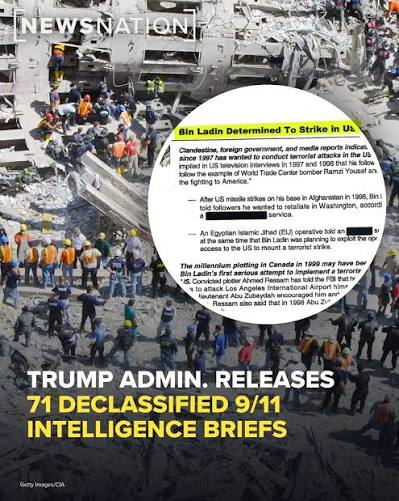
The News And Times
5 days ago
Audio Post – News Review: Using the FBI to settle personal grievances … Weaponization of the FBI … Trump, Patel, Miller, and the FBI … Arrest of Albanian Intelligence Chief
Mike Nova 2 · Using the FBI to settle personal grievances … Weaponization of the FBI … Trump, Patel, Miller, and the FBI … Arrest of Albanian Intelligence Chief Pic.: The 19…

The News And Times
5 days ago
AUDIO POST – News Review: Putin aims to break Ukraine by terrorizing the civilian population … Russia Turns to Striking Kyiv’s Bridges, Threatening a Vital Lifeline … Merz in Kyiv … Albanian Spy Chief’s Arrest ‘Highlighted Failure of Intelligence Governance’
Mike Nova 2 · News Review: Putin aims to break Ukraine by terrorizing the civilian population News Review – 8:24 AM 10/4/2026Putin aims to break Ukraine by terrorizing the civili…

The News And Times
6 days ago
Musk returns to Trump administration to co-lead Pentagon war study – News Review
Articles and Tweetseuronews1dMusk returns to Trump administration to co-lead Pentagon war studyMusk, who in 2024 threw his support behind Trump and helped his return to the White H…
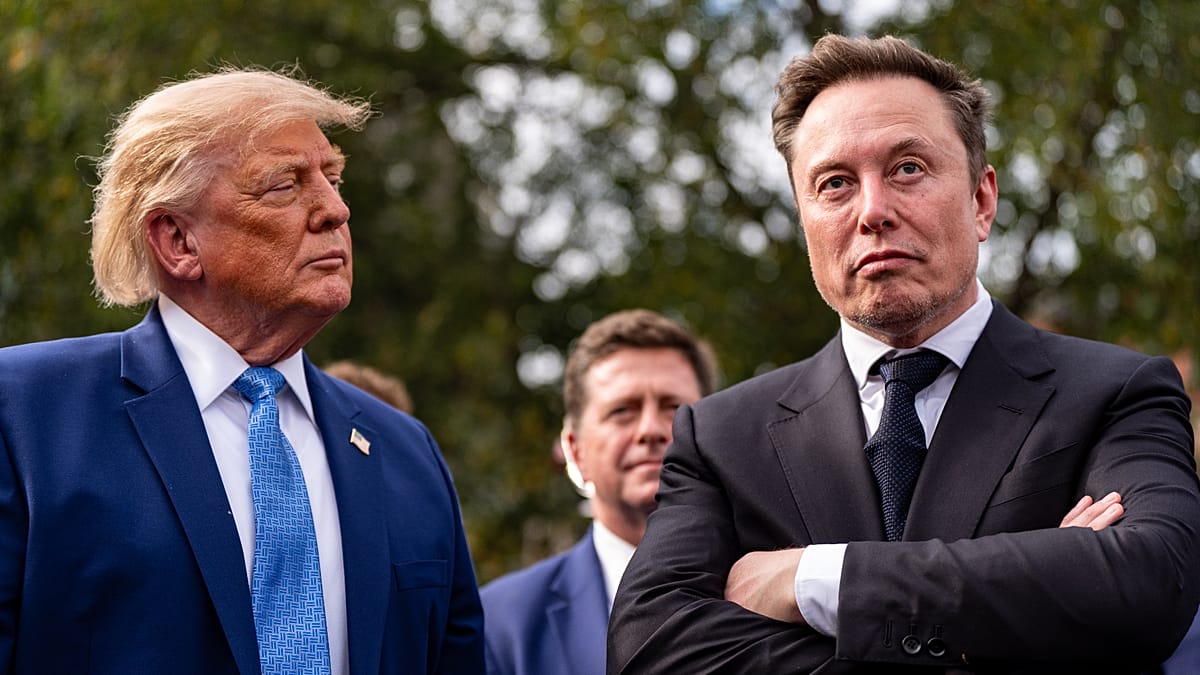
The News And Times
6 days ago
Super Intelligence – News Review
Articles and TweetsX19msuper intelligenceX1hRT by @mikenov: RT by @mikenov: Putin orders military leaders to target civilians and nuclear facilities, Zelensky warns: ‘No rules now’…

Michael Novakhov (@mikenov) / Twitter
Updates daily
Michael Novakhov (@mikenov) / Twitter
Michael Novakhov (@mikenov) / Twitter
26 min ago
Michael Novakhov (@mikenov) / Twitter
42 min ago
Michael Novakhov (@mikenov) / Twitter
1 hrs ago
Get updates to your inbox
Michael Novakhov (@mikenov) / Twitter
1 hrs ago
Michael Novakhov (@mikenov) / Twitter
1 hrs ago
Michael Novakhov (@mikenov) / Twitter
2 hrs ago
Michael Novakhov (@mikenov) / Twitter
2 hrs ago
Michael Novakhov (@mikenov) / Twitter
3 hrs ago
@mikenov: The phrase “9/11: the missing link” refers to a prominent public theory and a series of high-profile statements made by August Hanning, the former head of Germany’s Federal Intelligence Service (BND), regarding the 2001 terrorist attacks. [1,
The phrase “9/11: the missing link” refers to a prominent public theory and a series of high-profile statements made by August Hanning, the former head of Germany’s Federal Intelli…
Michael Novakhov (@mikenov) / Twitter
9 hrs ago
Michael Novakhov (@mikenov) / Twitter
11 hrs ago
Michael Novakhov (@mikenov) / Twitter
17 hrs ago
Michael Novakhov (@mikenov) / Twitter
17 hrs ago
Michael Novakhov (@mikenov) / Twitter
17 hrs ago
Michael Novakhov (@mikenov) / Twitter
18 hrs ago
Michael Novakhov (@mikenov) / Twitter
18 hrs ago
Michael Novakhov (@mikenov) / Twitter
19 hrs ago
Michael Novakhov (@mikenov) / Twitter
19 hrs ago
Michael Novakhov (@mikenov) / Twitter
19 hrs ago
Michael Novakhov (@mikenov) / Twitter
19 hrs ago
Michael Novakhov (@mikenov) / Twitter
20 hrs ago
Michael Novakhov (@mikenov) / Twitter
20 hrs ago
Michael Novakhov (@mikenov) / Twitter
20 hrs ago
Michael Novakhov (@mikenov) / Twitter
21 hrs ago
Michael Novakhov (@mikenov) / Twitter
21 hrs ago
Michael Novakhov (@mikenov) / Twitter
23 hrs ago
@mikenov: If Russia, Israel, and Germany are behind 9/11, here are their hypothetical motivations.
If Russia, Israel, and Germany are behind 9/11, here are their hypothetical motivations. thenewsandtimes.blogspot.com…
Michael Novakhov (@mikenov) / Twitter
23 hrs ago
Michael Novakhov (@mikenov) / Twitter
23 hrs ago
Michael Novakhov (@mikenov) / Twitter
1 day ago
Michael Novakhov (@mikenov) / Twitter
1 day ago
Michael Novakhov (@mikenov) / Twitter
1 day ago
Michael Novakhov (@mikenov) / Twitter
1 day ago
Michael Novakhov (@mikenov) / Twitter
1 day ago
Michael Novakhov (@mikenov) / Twitter
1 day ago
Michael Novakhov (@mikenov) / Twitter
1 day ago
Michael Novakhov (@mikenov) / Twitter
1 day ago
Michael Novakhov (@mikenov) / Twitter
1 day ago
Michael Novakhov (@mikenov) / Twitter
1 day ago
Michael Novakhov (@mikenov) / Twitter
1 day ago
Michael Novakhov (@mikenov) / Twitter
1 day ago
Michael Novakhov (@mikenov) / Twitter
1 day ago
Michael Novakhov (@mikenov) / Twitter
1 day ago
Michael Novakhov (@mikenov) / Twitter
1 day ago
Michael Novakhov (@mikenov) / Twitter
1 day ago
Michael Novakhov (@mikenov) / Twitter
1 day ago
Michael Novakhov (@mikenov) / Twitter
1 day ago
Michael Novakhov (@mikenov) / Twitter
1 day ago
Michael Novakhov (@mikenov) / Twitter
1 day ago
Michael Novakhov (@mikenov) / Twitter
1 day ago
Michael Novakhov (@mikenov) / Twitter
1 day ago
Michael Novakhov (@mikenov) / Twitter
1 day ago
Michael Novakhov (@mikenov) / Twitter
1 day ago
Michael Novakhov (@mikenov) / Twitter
1 day ago
Michael Novakhov (@mikenov) / Twitter
1 day ago
Michael Novakhov (@mikenov) / Twitter
1 day ago
@mikenov: August Hanning’s communications implicate both Israel and Russia in the hypothetical origins of 9/11 – Google Search
August Hanning’s communications implicate both Israel and Russia in the hypothetical origins of 9/11 – Google Search google.com/search?q=August+H…
Michael Novakhov (@mikenov) / Twitter
1 day ago
Michael Novakhov (@mikenov) / Twitter
1 day ago
Michael Novakhov (@mikenov) / Twitter
1 day ago
@mikenov: August Hanning and Russia – Google Search
August Hanning and Russia – Google Search google.com/search?q=August+H…
Michael Novakhov (@mikenov) / Twitter
1 day ago
Michael Novakhov (@mikenov) / Twitter
1 day ago
Michael Novakhov (@mikenov) / Twitter
1 day ago
@mikenov: Is August Hanning Jewish? NO. – Google Search
Is August Hanning Jewish? NO. – Google Search google.com/search?q=Is+Augus…
Michael Novakhov (@mikenov) / Twitter
1 day ago
Michael Novakhov (@mikenov) / Twitter
1 day ago
Michael Novakhov (@mikenov) / Twitter
1 day ago
Michael Novakhov (@mikenov) / Twitter
1 day ago
Michael Novakhov (@mikenov) / Twitter
1 day ago
Michael Novakhov (@mikenov) / Twitter
1 day ago
Michael Novakhov (@mikenov) / Twitter
1 day ago
Michael Novakhov (@mikenov) / Twitter
1 day ago
Michael Novakhov (@mikenov) / Twitter
1 day ago
Michael Novakhov (@mikenov) / Twitter
1 day ago
Michael Novakhov (@mikenov) / Twitter
1 day ago
Michael Novakhov (@mikenov) / Twitter
1 day ago
@Newsweek: RT by @mikenov: California Governor Gavin Newsom called for Trump to be removed from office after his comment about Iran bombing San Diego and LA.
California Governor Gavin Newsom called for Trump to be removed from office after his comment about Iran bombing San Diego and LA. newsweek.com/25th-amendment-…
Michael Novakhov (@mikenov) / Twitter
1 day ago
Michael Novakhov (@mikenov) / Twitter
1 day ago
Michael Novakhov (@mikenov) / Twitter
1 day ago
Michael Novakhov (@mikenov) / Twitter
1 day ago
Michael Novakhov (@mikenov) / Twitter
1 day ago
@mikenov: #Mossad August #Hanning arrested: Trail leads to #Israel – Google Search
#Mossad August #Hanning arrested: Trail leads to #Israel – Google Search google.com/search?q=August+H…
Michael Novakhov (@mikenov) / Twitter
1 day ago
Michael Novakhov (@mikenov) / Twitter
2 days ago
Michael Novakhov (@mikenov) / Twitter
2 days ago
Michael Novakhov (@mikenov) / Twitter
2 days ago
Michael Novakhov (@mikenov) / Twitter
2 days ago
Michael Novakhov (@mikenov) / Twitter
2 days ago
@mikenov: August Hanning and 9/11 – Google Search
August Hanning and 9/11 – Google Search google.com/search?q=August+H…
Michael Novakhov (@mikenov) / Twitter
2 days ago
Michael Novakhov (@mikenov) / Twitter
2 days ago
Michael Novakhov (@mikenov) / Twitter
2 days ago
Michael Novakhov (@mikenov) / Twitter
2 days ago
@mikenov: August Hanning and Russia – Google Search
August Hanning and Russia – Google Search google.com/search?q=August+H…
Michael Novakhov (@mikenov) / Twitter
2 days ago
Michael Novakhov (@mikenov) / Twitter
2 days ago
Michael Novakhov (@mikenov) / Twitter
2 days ago
Michael Novakhov (@mikenov) / Twitter
2 days ago
Michael Novakhov (@mikenov) / Twitter
2 days ago
Michael Novakhov (@mikenov) / Twitter
2 days ago
Michael Novakhov (@mikenov) / Twitter
2 days ago
Michael Novakhov (@mikenov) / Twitter
2 days ago
Michael Novakhov (@mikenov) / Twitter
2 days ago
Michael Novakhov (@mikenov) / Twitter
2 days ago
Michael Novakhov (@mikenov) / Twitter
2 days ago
Michael Novakhov (@mikenov) / Twitter
2 days ago
Michael Novakhov (@mikenov) / Twitter
2 days ago
Michael Novakhov (@mikenov) / Twitter
2 days ago
Michael Novakhov (@mikenov) / Twitter
2 days ago
Michael Novakhov (@mikenov) / Twitter
2 days ago
Michael Novakhov (@mikenov) / Twitter
2 days ago
Michael Novakhov (@mikenov) / Twitter
2 days ago
Michael Novakhov (@mikenov) / Twitter
2 days ago
Michael Novakhov (@mikenov) / Twitter
2 days ago
Michael Novakhov (@mikenov) / Twitter
2 days ago
@mikenov: August Hanning is suspected to prepare an analysis for an alleged Azerbaijani intelligence contact – Google Search
August Hanning is suspected to prepare an analysis for an alleged Azerbaijani intelligence contact – Google Search google.com/search?num=10&new…
Michael Novakhov (@mikenov) / Twitter
2 days ago
Michael Novakhov (@mikenov) / Twitter
2 days ago
@mikenov: RT @ferozwala: #BREAKING #Germany strips former Chancellor #GerhardSchroeder of official privileges over #Russia ties: parliament EU la…
RT @ferozwala: #BREAKING #Germany strips former Chancellor #GerhardSchroeder of official privileges over #Russia ties: parliament EU la…
Michael Novakhov (@mikenov) / Twitter
2 days ago
Michael Novakhov (@mikenov) / Twitter
2 days ago
Michael Novakhov (@mikenov) / Twitter
2 days ago
Michael Novakhov (@mikenov) / Twitter
2 days ago
Michael Novakhov (@mikenov) / Twitter
2 days ago
Michael Novakhov (@mikenov) / Twitter
2 days ago
Michael Novakhov (@mikenov) / Twitter
2 days ago
Michael Novakhov (@mikenov) / Twitter
2 days ago
Michael Novakhov (@mikenov) / Twitter
2 days ago
Michael Novakhov (@mikenov) / Twitter
2 days ago
Michael Novakhov (@mikenov) / Twitter
2 days ago
Michael Novakhov (@mikenov) / Twitter
2 days ago
Michael Novakhov (@mikenov) / Twitter
2 days ago
Michael Novakhov (@mikenov) / Twitter
2 days ago
Michael Novakhov (@mikenov) / Twitter
2 days ago
Michael Novakhov (@mikenov) / Twitter
2 days ago
@mikenov: August Hanning and Gerhard Schroeder – Google Search
August Hanning and Gerhard Schroeder – Google Search google.com/search?q=August+H…
Michael Novakhov (@mikenov) / Twitter
3 days ago
Michael Novakhov (@mikenov) / Twitter
3 days ago
Michael Novakhov (@mikenov) / Twitter
3 days ago
@mikenov: 9/11: the missing link – August Hanning – Google Search
9/11: the missing link – August Hanning – Google Search google.com/search?q=9%2F11%3…
Michael Novakhov (@mikenov) / Twitter
3 days ago
Michael Novakhov (@mikenov) / Twitter
3 days ago
Michael Novakhov (@mikenov) / Twitter
3 days ago
Michael Novakhov (@mikenov) / Twitter
3 days ago
Michael Novakhov (@mikenov) / Twitter
3 days ago
Michael Novakhov (@mikenov) / Twitter
3 days ago
Michael Novakhov (@mikenov) / Twitter
3 days ago
@lrozen: RT by @mikenov: “According to prosecutors, August Hanning, who once headed Germany’s domestic intelligence service, allegedly approached Peri, now owner of the Israeli consulting firm CGI Group, to organize a team of Israeli operatives for th
“According to prosecutors, August Hanning, who once headed Germany’s domestic intelligence service, allegedly approached Peri, now owner of the Israeli consulting firm CGI Group, t…
Michael Novakhov (@mikenov) / Twitter
3 days ago
Michael Novakhov (@mikenov) / Twitter
3 days ago
Michael Novakhov (@mikenov) / Twitter
3 days ago
Michael Novakhov (@mikenov) / Twitter
3 days ago
Michael Novakhov (@mikenov) / Twitter
3 days ago
Michael Novakhov (@mikenov) / Twitter
3 days ago
@mikenov: August Hanning and Mossad – Google Search
August Hanning and Mossad – Google Search google.com/search?q=August+H…
Michael Novakhov (@mikenov) / Twitter
3 days ago
@mikenov: RT @aborealis940: Law enforcement officers have detained an #FSB agent who guided massive missile and drone strikes on #Kyiv between Septem…
RT @aborealis940: Law enforcement officers have detained an #FSB agent who guided massive missile and drone strikes on #Kyiv between Septem…
Michael Novakhov (@mikenov) / Twitter
3 days ago
Michael Novakhov (@mikenov) / Twitter
3 days ago
@mikenov: August Hanning and Russian Intelligence – Google Search
August Hanning and Russian Intelligence – Google Search google.com/search?q=August+H…
Michael Novakhov (@mikenov) / Twitter
3 days ago
Michael Novakhov (@mikenov) / Twitter
3 days ago
Michael Novakhov (@mikenov) / Twitter
3 days ago
Michael Novakhov (@mikenov) / Twitter
3 days ago
Michael Novakhov (@mikenov) / Twitter
3 days ago
Michael Novakhov (@mikenov) / Twitter
3 days ago
Michael Novakhov (@mikenov) / Twitter
3 days ago
@mikenov: August Hanning and 9/11 Intelligence
August Hanning and 9/11 Intelligence share.gemini.google/WIuPAYUu…
Michael Novakhov (@mikenov) / Twitter
3 days ago
Michael Novakhov (@mikenov) / Twitter
3 days ago
Michael Novakhov (@mikenov) / Twitter
3 days ago
Michael Novakhov (@mikenov) / Twitter
3 days ago
Michael Novakhov (@mikenov) / Twitter
3 days ago
Michael Novakhov (@mikenov) / Twitter
3 days ago
Michael Novakhov (@mikenov) / Twitter
3 days ago
@mikenov: Global News Headlines for Today
Global News Headlines for Today share.gemini.google/kMSfHeRM…
Michael Novakhov (@mikenov) / Twitter
3 days ago
Michael Novakhov (@mikenov) / Twitter
3 days ago
Michael Novakhov (@mikenov) / Twitter
3 days ago
Michael Novakhov (@mikenov) / Twitter
3 days ago
Michael Novakhov (@mikenov) / Twitter
3 days ago
Michael Novakhov (@mikenov) / Twitter
3 days ago
Michael Novakhov (@mikenov) / Twitter
3 days ago
Michael Novakhov (@mikenov) / Twitter
3 days ago
Michael Novakhov (@mikenov) / Twitter
3 days ago
Michael Novakhov (@mikenov) / Twitter
3 days ago
Michael Novakhov (@mikenov) / Twitter
3 days ago
Michael Novakhov (@mikenov) / Twitter
3 days ago
Michael Novakhov (@mikenov) / Twitter
3 days ago
Michael Novakhov (@mikenov) / Twitter
3 days ago
Michael Novakhov (@mikenov) / Twitter
3 days ago
Michael Novakhov (@mikenov) / Twitter
3 days ago
Michael Novakhov (@mikenov) / Twitter
3 days ago
Michael Novakhov (@mikenov) / Twitter
3 days ago
Michael Novakhov (@mikenov) / Twitter
3 days ago
@mikenov: news live – YouTube
news live – YouTube youtube.com/results?search_q…
Michael Novakhov (@mikenov) / Twitter
3 days ago
Michael Novakhov (@mikenov) / Twitter
3 days ago
@mikenov: news – YouTube
news – YouTube youtube.com/results?search_q…
Michael Novakhov (@mikenov) / Twitter
3 days ago
Michael Novakhov (@mikenov) / Twitter
3 days ago
Michael Novakhov (@mikenov) / Twitter
3 days ago
Michael Novakhov (@mikenov) / Twitter
3 days ago
Michael Novakhov (@mikenov) / Twitter
3 days ago
Michael Novakhov (@mikenov) / Twitter
3 days ago
Michael Novakhov (@mikenov) / Twitter
3 days ago
Michael Novakhov (@mikenov) / Twitter
3 days ago
Michael Novakhov (@mikenov) / Twitter
3 days ago
Michael Novakhov (@mikenov) / Twitter
3 days ago
Michael Novakhov (@mikenov) / Twitter
3 days ago
Michael Novakhov (@mikenov) / Twitter
3 days ago
Michael Novakhov (@mikenov) / Twitter
3 days ago
Michael Novakhov (@mikenov) / Twitter
3 days ago
Michael Novakhov (@mikenov) / Twitter
3 days ago
@mikenov: Declassified 9/11 President’s Daily Briefs
Declassified 9/11 President’s Daily Briefs share.gemini.google/IXeNARSQ…
Michael Novakhov (@mikenov) / Twitter
4 days ago
@mikenov: Analyzing 9/11 PDBs and Deception Hypotheses
Analyzing 9/11 PDBs and Deception Hypotheses share.gemini.google/FSOJS3Gk…
Michael Novakhov (@mikenov) / Twitter
4 days ago
Michael Novakhov (@mikenov) / Twitter
4 days ago
Michael Novakhov (@mikenov) / Twitter
4 days ago
Michael Novakhov (@mikenov) / Twitter
4 days ago
Michael Novakhov (@mikenov) / Twitter
4 days ago
Michael Novakhov (@mikenov) / Twitter
4 days ago
Michael Novakhov (@mikenov) / Twitter
4 days ago
@mikenov: Today’s Top News Roundup – 9 AM
Today’s Top News Roundup – 9 AM share.gemini.google/nJDvE8zS…
Michael Novakhov (@mikenov) / Twitter
4 days ago
Michael Novakhov (@mikenov) / Twitter
4 days ago
Michael Novakhov (@mikenov) / Twitter
4 days ago
Michael Novakhov (@mikenov) / Twitter
4 days ago
Michael Novakhov (@mikenov) / Twitter
4 days ago
Michael Novakhov (@mikenov) / Twitter
4 days ago
Michael Novakhov (@mikenov) / Twitter
4 days ago
Michael Novakhov (@mikenov) / Twitter
4 days ago
Michael Novakhov (@mikenov) / Twitter
4 days ago
Michael Novakhov (@mikenov) / Twitter
4 days ago
Michael Novakhov (@mikenov) / Twitter
4 days ago
Michael Novakhov (@mikenov) / Twitter
4 days ago
Michael Novakhov (@mikenov) / Twitter
4 days ago
@mikenov: Current Global and Domestic News – 12:09 PM
Current Global and Domestic News – 12:09 PM share.gemini.google/QFqN3hn5…
Michael Novakhov (@mikenov) / Twitter
4 days ago
@mikenov: Global News and Current Events
Global News and Current Events share.gemini.google/QSHSWKw8…
Michael Novakhov (@mikenov) / Twitter
4 days ago
Michael Novakhov (@mikenov) / Twitter
4 days ago
Michael Novakhov (@mikenov) / Twitter
4 days ago
Michael Novakhov (@mikenov) / Twitter
5 days ago
Michael Novakhov (@mikenov) / Twitter
5 days ago
@mikenov: ‘Using the FBI to settle personal grievances … Weaponization of the FBI … Trump, Patel, Miller, and the FBI … Arrest of Albanian Intelligence Chief’ is on #SoundCloud
‘Using the FBI to settle personal grievances … Weaponization of the FBI … Trump, Patel, Miller, and the FBI … Arrest of Albanian Intelligence Chief’ is on #SoundCloud on.so…
Michael Novakhov (@mikenov) / Twitter
5 days ago
Michael Novakhov (@mikenov) / Twitter
5 days ago
Michael Novakhov (@mikenov) / Twitter
5 days ago
Michael Novakhov (@mikenov) / Twitter
5 days ago
@mikenov: ‘News Review: Putin aims to break Ukraine by terrorizing the civilian population’ is on #SoundCloud
‘News Review: Putin aims to break Ukraine by terrorizing the civilian population’ is on #SoundCloud on.soundcloud.com/Suq0QsFnuw…
Michael Novakhov (@mikenov) / Twitter
5 days ago
Michael Novakhov (@mikenov) / Twitter
5 days ago
Michael Novakhov (@mikenov) / Twitter
5 days ago
Michael Novakhov (@mikenov) / Twitter
5 days ago
Michael Novakhov (@mikenov) / Twitter
5 days ago
Michael Novakhov (@mikenov) / Twitter
5 days ago
Michael Novakhov (@mikenov) / Twitter
5 days ago
Michael Novakhov (@mikenov) / Twitter
5 days ago
Michael Novakhov (@mikenov) / Twitter
5 days ago
Michael Novakhov (@mikenov) / Twitter
5 days ago
Michael Novakhov (@mikenov) / Twitter
5 days ago
Michael Novakhov (@mikenov) / Twitter
5 days ago
@mikenov: RT @OlenaWave: Fascist #Russia to increase military spending to a record 35% of the budget in 2027 In 2027, Russia plans to allocate 17.1…
RT @OlenaWave: Fascist #Russia to increase military spending to a record 35% of the budget in 2027In 2027, Russia plans to allocate 17.1…
Michael Novakhov (@mikenov) / Twitter
5 days ago
Michael Novakhov (@mikenov) / Twitter
5 days ago
Michael Novakhov (@mikenov) / Twitter
5 days ago
Michael Novakhov (@mikenov) / Twitter
5 days ago
Michael Novakhov (@mikenov) / Twitter
5 days ago
Michael Novakhov (@mikenov) / Twitter
5 days ago
Michael Novakhov (@mikenov) / Twitter
5 days ago
Michael Novakhov (@mikenov) / Twitter
5 days ago
Michael Novakhov (@mikenov) / Twitter
5 days ago
Michael Novakhov (@mikenov) / Twitter
5 days ago
Michael Novakhov (@mikenov) / Twitter
5 days ago
@mikenov: At the Baku Security Forum, one chief spy less: the Albanian Vlora Hyseni was arrested – Google Search
At the Baku Security Forum, one chief spy less: the Albanian Vlora Hyseni was arrested – Google Search google.com/search?q=At+the+B…
Michael Novakhov (@mikenov) / Twitter
5 days ago
Michael Novakhov (@mikenov) / Twitter
5 days ago
@mikenov: Baku, Azerbaijan international conference of intelligence service chiefs – Google Search
Baku, Azerbaijan international conference of intelligence service chiefs – Google Search google.com/search?q=Baku%2C+…
Michael Novakhov (@mikenov) / Twitter
5 days ago
@Doommmood: RT by @mikenov: RT by @mikenov: Most likely pledging…
Most likely pledging…
Michael Novakhov (@mikenov) / Twitter
5 days ago
Michael Novakhov (@mikenov) / Twitter
5 days ago
@mikenov: Arrest of Albanian Intelligence Chief
Arrest of Albanian Intelligence Chief share.gemini.google/c5Nofkce…
Michael Novakhov (@mikenov) / Twitter
5 days ago
Michael Novakhov (@mikenov) / Twitter
5 days ago
Michael Novakhov (@mikenov) / Twitter
5 days ago
@mikenov: the arrest of the head of Albania’s State Intelligence Service – Google Search
the arrest of the head of Albania’s State Intelligence Service – Google Search google.com/search?q=the+arre…
Michael Novakhov (@mikenov) / Twitter
6 days ago
Michael Novakhov (@mikenov) / Twitter
6 days ago
Michael Novakhov (@mikenov) / Twitter
6 days ago
Michael Novakhov (@mikenov) / Twitter
6 days ago
Michael Novakhov (@mikenov) / Twitter
6 days ago
Michael Novakhov (@mikenov) / Twitter
6 days ago
Michael Novakhov (@mikenov) / Twitter
6 days ago
Michael Novakhov (@mikenov) / Twitter
6 days ago
@mikenov: Weaponization of the FBI
Weaponization of the FBI share.gemini.google/XNXonpss…
Michael Novakhov (@mikenov) / Twitter
6 days ago
Michael Novakhov (@mikenov) / Twitter
6 days ago
Michael Novakhov (@mikenov) / Twitter
6 days ago
Michael Novakhov (@mikenov) / Twitter
6 days ago
Michael Novakhov (@mikenov) / Twitter
6 days ago
Michael Novakhov (@mikenov) / Twitter
6 days ago
@mikenov: Trump, Patel, Miller, and the FBI
Trump, Patel, Miller, and the FBI share.gemini.google/BfC7kJaS…
Michael Novakhov (@mikenov) / Twitter
6 days ago
Michael Novakhov (@mikenov) / Twitter
6 days ago
Michael Novakhov (@mikenov) / Twitter
6 days ago
Michael Novakhov (@mikenov) / Twitter
6 days ago
Michael Novakhov (@mikenov) / Twitter
6 days ago
Michael Novakhov (@mikenov) / Twitter
6 days ago
Michael Novakhov (@mikenov) / Twitter
6 days ago
Michael Novakhov (@mikenov) / Twitter
6 days ago
Michael Novakhov (@mikenov) / Twitter
6 days ago
Michael Novakhov (@mikenov) / Twitter
6 days ago
Michael Novakhov (@mikenov) / Twitter
6 days ago
Michael Novakhov (@mikenov) / Twitter
6 days ago
Michael Novakhov (@mikenov) / Twitter
6 days ago
Michael Novakhov (@mikenov) / Twitter
6 days ago
Michael Novakhov (@mikenov) / Twitter
6 days ago
Michael Novakhov (@mikenov) / Twitter
6 days ago
Michael Novakhov (@mikenov) / Twitter
6 days ago
Michael Novakhov (@mikenov) / Twitter
6 days ago
Michael Novakhov (@mikenov) / Twitter
6 days ago
Michael Novakhov (@mikenov) / Twitter
6 days ago
@mikenov: News – Google Search
News – Google Search google.com/search?q=News&num…
Michael Novakhov (@mikenov) / Twitter
6 days ago
Michael Novakhov (@mikenov) / Twitter
6 days ago
Michael Novakhov (@mikenov) / Twitter
6 days ago
Michael Novakhov (@mikenov) / Twitter
6 days ago
Michael Novakhov (@mikenov) / Twitter
6 days ago
Michael Novakhov (@mikenov) / Twitter
6 days ago
Michael Novakhov (@mikenov) / Twitter
6 days ago
Michael Novakhov (@mikenov) / Twitter
6 days ago
Michael Novakhov (@mikenov) / Twitter
6 days ago
Michael Novakhov (@mikenov) / Twitter
6 days ago
Michael Novakhov (@mikenov) / Twitter
6 days ago
Michael Novakhov (@mikenov) / Twitter
6 days ago
Michael Novakhov (@mikenov) / Twitter
6 days ago
Michael Novakhov (@mikenov) / Twitter
6 days ago
Michael Novakhov (@mikenov) / Twitter
6 days ago
Michael Novakhov (@mikenov) / Twitter
6 days ago
@mikenov: Midterm Election 2026 and Elon Musk – Google Search
Midterm Election 2026 and Elon Musk – Google Search google.com/search?q=Midterm+…
Michael Novakhov (@mikenov) / Twitter
6 days ago
@mikenov: Midterm Election 2026 and Elon Musk – Google Search
Midterm Election 2026 and Elon Musk – Google Search google.com/search?q=Midterm+…
Michael Novakhov (@mikenov) / Twitter
6 days ago
Michael Novakhov (@mikenov) / Twitter
6 days ago
Michael Novakhov (@mikenov) / Twitter
6 days ago
Michael Novakhov (@mikenov) / Twitter
6 days ago
@mikenov: TRUMP and MUSK – Google Search
TRUMP and MUSK – Google Search google.com/search?q=TRUMP+an…
Michael Novakhov (@mikenov) / Twitter
6 days ago
Michael Novakhov (@mikenov) / Twitter
7 days ago
@mikenov: Trump-Musk Alliance in 2026 Midterms
Trump-Musk Alliance in 2026 Midterms share.gemini.google/lCBpjxc0…
Michael Novakhov (@mikenov) / Twitter
7 days ago
Michael Novakhov (@mikenov) / Twitter
7 days ago
Michael Novakhov (@mikenov) / Twitter
7 days ago
@mikenov: Trump and Musk Reconcile
Trump and Musk Reconcile share.gemini.google/K3LTsDAs…
Michael Novakhov (@mikenov) / Twitter
7 days ago
Michael Novakhov (@mikenov) / Twitter
7 days ago
Michael Novakhov (@mikenov) / Twitter
7 days ago
@mikenov: Putin blackmails the west, as usually – Google Search
Putin blackmails the west, as usually – Google Search google.com/search?q=Putin+bl…
Michael Novakhov (@mikenov) / Twitter
7 days ago
Michael Novakhov (@mikenov) / Twitter
7 days ago
Michael Novakhov (@mikenov) / Twitter
7 days ago
@mikenov: Vladimir Putin warns West over Kaliningrad threats Putin – Google Search
Vladimir Putin warns West over Kaliningrad threats Putin – Google Search google.com/search?q=putin&nu…
Michael Novakhov (@mikenov) / Twitter
7 days ago
Michael Novakhov (@mikenov) / Twitter
7 days ago
Michael Novakhov (@mikenov) / Twitter
7 days ago
Michael Novakhov (@mikenov) / Twitter
7 days ago
@mikenov: Crimea and Kaliningrad Geopolitical Analogy
Crimea and Kaliningrad Geopolitical Analogy share.gemini.google/LAtS4bUj…
Michael Novakhov (@mikenov) / Twitter
7 days ago
Michael Novakhov (@mikenov) / Twitter
7 days ago
Michael Novakhov (@mikenov) / Twitter
7 days ago
Michael Novakhov (@mikenov) / Twitter
7 days ago
Michael Novakhov (@mikenov) / Twitter
7 days ago
Michael Novakhov (@mikenov) / Twitter
7 days ago
Michael Novakhov (@mikenov) / Twitter
7 days ago
Michael Novakhov (@mikenov) / Twitter
7 days ago
Michael Novakhov (@mikenov) / Twitter
7 days ago
Michael Novakhov (@mikenov) / Twitter
7 days ago
Michael Novakhov (@mikenov) / Twitter
7 days ago
Michael Novakhov (@mikenov) / Twitter
7 days ago
Michael Novakhov (@mikenov) / Twitter
7 days ago
Michael Novakhov (@mikenov) / Twitter
7 days ago
Michael Novakhov (@mikenov) / Twitter
7 days ago
Michael Novakhov (@mikenov) / Twitter
7 days ago
Michael Novakhov (@mikenov) / Twitter
7 days ago
Michael Novakhov (@mikenov) / Twitter
7 days ago
Michael Novakhov (@mikenov) / Twitter
7 days ago
Michael Novakhov (@mikenov) / Twitter
7 days ago
Michael Novakhov (@mikenov) / Twitter
7 days ago
Michael Novakhov (@mikenov) / Twitter
7 days ago
Michael Novakhov (@mikenov) / Twitter
7 days ago
Michael Novakhov (@mikenov) / Twitter
7 days ago
Michael Novakhov (@mikenov) / Twitter
7 days ago
@mikenov: #FBI FBI John Anthony Proia, III – Google Search
#FBI FBIJohn Anthony Proia, III – Google Search google.com/search?q=John+Ant…Federal Cyberstalking Indictment of Proia share.gemini.google/IWHtp7xA…
Michael Novakhov (@mikenov) / Twitter
7 days ago
@mikenov: Federal Cyberstalking Indictment of Proia
Federal Cyberstalking Indictment of Proia share.gemini.google/IWHtp7xA…
Michael Novakhov (@mikenov) / Twitter
7 days ago
Michael Novakhov (@mikenov) / Twitter
7 days ago
Michael Novakhov (@mikenov) / Twitter
7 days ago
Michael Novakhov (@mikenov) / Twitter
7 days ago
Michael Novakhov (@mikenov) / Twitter
7 days ago
Michael Novakhov (@mikenov) / Twitter
7 days ago
Michael Novakhov (@mikenov) / Twitter
7 days ago
Michael Novakhov (@mikenov) / Twitter
7 days ago
Michael Novakhov (@mikenov) / Twitter
7 days ago
Michael Novakhov (@mikenov) / Twitter
7 days ago
Michael Novakhov (@mikenov) / Twitter
7 days ago
Michael Novakhov (@mikenov) / Twitter
7 days ago
Michael Novakhov (@mikenov) / Twitter
7 days ago
Michael Novakhov (@mikenov) / Twitter
7 days ago
Michael Novakhov (@mikenov) / Twitter
7 days ago
Michael Novakhov (@mikenov) / Twitter
7 days ago
Michael Novakhov (@mikenov) / Twitter
7 days ago
@mikenov: news – Google Search
news – Google Search google.com/search?q=news&num…
Michael Novakhov (@mikenov) / Twitter
7 days ago
Michael Novakhov (@mikenov) / Twitter
7 days ago
Michael Novakhov (@mikenov) / Twitter
7 days ago
Michael Novakhov (@mikenov) / Twitter
7 days ago
Michael Novakhov (@mikenov) / Twitter
7 days ago
Michael Novakhov (@mikenov) / Twitter
7 days ago
Michael Novakhov (@mikenov) / Twitter
7 days ago
Michael Novakhov (@mikenov) / Twitter
7 days ago
Michael Novakhov (@mikenov) / Twitter
7 days ago
Michael Novakhov (@mikenov) / Twitter
7 days ago
Michael Novakhov (@mikenov) / Twitter
7 days ago
Michael Novakhov (@mikenov) / Twitter
7 days ago
Michael Novakhov (@mikenov) / Twitter
8 days ago
Michael Novakhov (@mikenov) / Twitter
8 days ago
Michael Novakhov (@mikenov) / Twitter
8 days ago
Michael Novakhov (@mikenov) / Twitter
8 days ago
Michael Novakhov (@mikenov) / Twitter
8 days ago
Michael Novakhov (@mikenov) / Twitter
8 days ago
Michael Novakhov (@mikenov) / Twitter
8 days ago
Michael Novakhov (@mikenov) / Twitter
8 days ago
Michael Novakhov (@mikenov) / Twitter
8 days ago
Michael Novakhov (@mikenov) / Twitter
8 days ago
Michael Novakhov (@mikenov) / Twitter
8 days ago
Michael Novakhov (@mikenov) / Twitter
8 days ago
Michael Novakhov (@mikenov) / Twitter
8 days ago
Michael Novakhov (@mikenov) / Twitter
8 days ago
Michael Novakhov (@mikenov) / Twitter
8 days ago
–
The Missing Links – Audio Post
Operation 9/11:
The Russia – Germany – Israel Hypothesis
By Michael Novakhov and the Google AI
The phrase “9/11: the missing link” refers to a prominent public theory and a series of high-profile statements made by August Hanning – News Review
My impression:
Hanning was on the right track with his “frequent” remarks about the role of the “STATE SUPPORT” for Hamburg cell, although it is unclear if he considered Germany itself in this role. It was a powerful opinion, at odds with the official version of the non-state Al Qaeda, and someone (the true culprits) probably did not like it, because it could lead directly to them. What followed, looks like a SET UP, the series of traps for Hanning, from his financial ruin (prearranged?) to his various unrelated private investigations which eventually lead to his arrest and current predicament. Now he is effectively shut off from the world and can talk only to his native BND. His former boss Gerhard Schroeder looks unconcerned about this, and, to the contrary, rather happy in his meeting with Putin: was this his birthday present?
It looks like the “STATE SUPPORT” for the Hamburg Cell, of which Hanning frequently spoke out, went directly from Gerhard Schroeder through his own channels, via the local Hamburg politicians, bypassing Hanning; otherwise Hanning would not speak about it so readily, risking to implicate himself and Germany.
The aim of this support was to help the future hijackers in their adaptation to the life in the western society, so they could fit seamlessly and unsuspiciously into the life in the US, while attending the pilots schools. At the same time, they were “egged on” and WEAPONIZED.
–
9/11: the missing link – August Hanning – Google AI Mode: The phrase “9/11: the missing link” refers to a prominent public theory and a series of high-profile statements made by August Hanning, the former head of Germany’s Federal Intelligence Service (BND), regarding the 2001 terrorist attacks. Hanning, who led the BND from 1998 to 2005, has frequently spoken out about a missing link in the official 9/11 investigations—specifically targeting the logistical and financial state support given to the Hamburg Al-Qaeda cell, which included lead hijacker Mohamed Atta.
Hanning has argued that the hijackers could not have lived and operated so seamlessly in Germany without structured, domestic assistance that went largely unmapped by the initial U.S. and German investigations.
The Historical Investigation (August Hanning vs. The 9/11 Hamburg Cell)
Following the September 11, 2001 terrorist attacks, Hanning—acting as the BND chief—headed the German intelligence apparatus tasked with mapping how al-Qaeda pilots like Mohamed Atta operated undetected from Germany.
Operational Failures: The investigation revealed severe intelligence oversight. German authorities admitted they actually had members of the cell and their Marienstrasse apartment under surveillance in 1998 and 1999 due to a suspected bin Laden operative. However, the surveillance was abandoned when investigators failed to connect the students to an active threat.
The Chechnya Pivot: Intelligence records compiled during the post-9/11 investigations showed that the Hamburg cell members initially intended to fight in Chechnya. A chance encounter on a German train with an extremist named Khalid Masri redirected them to a Mauritanian businessman, who subsequently introduced them to Osama bin Laden in Afghanistan, where they were recruited for the plane operation.
Logistical Support: The intelligence findings mapped out how the cell utilized individuals like Said Bahaji and Mounir El Motassadeq to manage routine banking and university affairs while the primary pilots were away training in Afghanistan and the United States, allowing them to avoid drawing the suspicion of immigration officials.
The intersection of these two timelines created a massive political scandal in Germany, shifting August Hanning’s legacy from the man who investigated the 9/11 Hamburg terrorists to a suspect arrested because of a Hamburg police raid on his own home.
The results of Hanning’s investigation of the Hamburg cell: summary – Google Search
#Israel: “Do not train the Saudi pilots, they will turn against you!”
#Russia: ” Do not send your Saudi pilots to Chechnya, they will turn against you!”
#Germany: “Send these moronic pilots anywhere, we don’t care; bur not against us, we had had enough!”
The September 11 attacks shifted this dynamic by significantly modifying how both nations trained their pilots, and altering the structural military relationship between the United States and Saudi Arabia.
The role of the numbers of the well trained pilots in the military competition between Israel and Saudi Arabia: How 9/11 affected this balance? – Google Search
If Russia, Israel, and Germany are behind 9/11, here are their hypothetical motivations.
Russia intended to stop further unravelling of the USSR by turning the tables on the Western sponsors of Chechen separatists, including the US, Saudi Arabia, and other Muslim countries, by forming the anti-American Al Qaeda as the cover.
Israel intended to ignite the intense hostilities between the Saudi Arabia, other Arab countries, and the US, in the hope of benefitting from it, and strengthening the alliance with the US.
Germany, namely Schroeder, found the way to express their post-WW2 hatred for the US and to affirm their short lived, post-German unification gratitude and closeness with Russia.
These are the large scale, strategic, long term motivations and plans, with 9/11 as the “appropriate” action.
The technical acumen of the Operation 9/11 points to the state sponsored operation, not the half-literate “Al Qaeda”.
All this is pretty much on the surface, and it does not require the deep digging.
What does, is the ease and readiness to be deceived on the part of the CIA, FBI, and other investigators.
Russia intended to stop further unravelling of the USSR by turning the tables on the Western sponsors of Chechen separatists, including the US, Saudi Arabia, and other Muslim countries, by forming the anti-American Al Qaeda as the cover.
Israel intended to ignite the intense hostilities between the Saudi Arabia, other Arab countries, and the US, in the hope of benefitting from it, and strengthening the alliance with the US.
Germany, namely Schroeder, found the way to express their post-WW2 hatred for the US and to affirm their short lived, post-German unification gratitude and closeness with Russia.
These are the large scale, strategic, long term motivations and plans, with 9/11 as the “appropriate” action.
The technical acumen of the Operation 9/11 points to the state sponsored operation, not the half-literate “Al Qaeda”.
All this is pretty much on the surface, and it does not require the deep digging.
What does, is the ease and readiness to be deceived on the part of the CIA, FBI, and other investigators.
The famous American group think and conformity may be the answers to this question.
And of course our universal, human, all too human ability for Denial and Self-deception.
It protects us from the Unbearable Pain of Knowledge.
My Opinion:
It is very unlikely that any documents on the true origins of 9/11 exist in principle – the matter is so sensitive and explosive. The plan was known to the very few people, presumably to Putin the Mastermind, his second, Bortnikov, likely, Schroeder, and probably some Mossad Chiefs. Hanning’s knowledge and tasks were likely limited by the Hamburg Cell. However, his ability to communicate with Russia and Israel, directly or via Azerbaijan, point to possibility of sharing this information and coordination. Hanning can disclose this and other information if he is given a good enough incentive in the process of further investigations.
It is very unlikely that any documents on the true origins of 9/11 exist in principle – the matter is so sensitive and explosive. The plan was known to the very few people, presumably to Putin the Mastermind, his second, Bortnikov, likely, Schroeder, and probably some Mossad Chiefs. Hanning’s knowledge and tasks were likely limited by the Hamburg Cell. However, his ability to communicate with Russia and Israel, directly or via Azerbaijan, point to possibility of sharing this information and coordination. Hanning can disclose this and other information if he is given a good enough incentive in the process of further investigations.
August Hanning’s communications implicate both Israel and Russia in the hypothetical origins of 9/11 – Google Search google.com/search?q=Augus
The order of importance:
Putin – FSB – Russia – Israel – Germany, each of whom had their own goals
The miserable Arab “culprits” are just the patsies and the SCAPEGOATS!
The blame for MISINVESTIGATION of 9/11 is on Bush administration, FBI at that time, and Robert Mueller.
REINVESTIGATE THE 9/11!
Kash Patel, please add it to your list of the FBI historical mistakes, on the number 1 slot.
The order of importance:
Putin – FSB – Russia – Israel – Germany, each of whom had their own goals
The miserable Arab “culprits” are just the patsies and the SCAPEGOATS!
The blame for MISINVESTIGATION of 9/11 is on Bush administration, FBI at that time, and Robert Mueller.
REINVESTIGATE THE 9/11!
Kash Patel, please add it to your list of the FBI historical mistakes, on the number 1 slot.
The News And Times
Updates daily
The News And Times
1 hrs ago
The phrase “9/11: the missing link” refers to a prominent public theory and a series of high-profile statements made by August Hanning
DER SPIEGEL@derspiegel·3hTranslated from German”Disgrace,” “Bear’s Service to Peace,” “Miracle Cure à la Rasputin”: German politicians condemn Gerhard Schröder’s participation in …
The News And Times
18 hrs ago
August Hanning on the official Hamburg Cell investigations: The missing piece is THE STATE SUPPORT. – Selected Tweets
August Hanning on the official Hamburg Cell investigations: The missing piece is THE STATE SUPPORT. Selected Tweets What he did not say or did not know was, that this “State Suppo…
The News And Times
19 hrs ago
If Russia isn’t defeated in Ukraine, we will have to fight and defeat it elsewhere. Let’s help Ukraine finish the job …
Articles and TweetsX3hRT by @mikenov: If Russia isn’t defeated in Ukraine, we will have to fight and defeat it elsewhere. Let’s help Ukraine finish the job by seizing and transfer…
Get updates to your inbox
The News And Times
22 hrs ago
If Russia, Israel, and Germany are behind 9/11, here are their hypothetical motivations.
Russia, Israel, Germany, and 9/11If Russia, Israel, and Germany are behind 9/11, here are their hypothetical motivations. Russia intended to stop further unravelling of the USSR …
The News And Times
1 day ago
Azerbaijan is reportedly behind the corruption of the former German intelligence chief
Articles and TweetsX8h#CIA CIA #FBI FBI #Mossad Mossad Reinvestigate 9/11 in the light of August Hanning’s arrest and investigation! – Tweets Reviewx1d@mikenov: CORRUPTION IS THE …
The News And Times
1 day ago
Reinvestigate 9/11 in the light of August Hanning’s arrest and investigation!
#CIA CIA #FBI FBI #Mossad Mossad August Hanning’s communications implicate both Israel and Russia in the hypothetical origins of 9/11 – Google Search https://google.com/search?q=Au…
The News And Times
3 days ago
Analyzing 9/11 PDBs and Deception Hypotheses Quote: “A significant portion of the intelligence regarding Al-Qaeda’s intentions came from foreign liaison services (including British, French, German, Russian, and Israeli intelligence)”. My opinion: If “German, Russian, and Israeli
Articles and TweetsX32m#CIA #NineEleven #PDB Analyzing 9/11 PDBs and Deception Hypotheses Quote: “A significant portion of the intelligence regarding Al-Qaeda’s intentions came fr…
The News And Times
5 days ago
Audio Post – News Review: Using the FBI to settle personal grievances … Weaponization of the FBI … Trump, Patel, Miller, and the FBI … Arrest of Albanian Intelligence Chief
Mike Nova 2 · Using the FBI to settle personal grievances … Weaponization of the FBI … Trump, Patel, Miller, and the FBI … Arrest of Albanian Intelligence Chief Pic.: The 19…
The News And Times
5 days ago
AUDIO POST – News Review: Putin aims to break Ukraine by terrorizing the civilian population … Russia Turns to Striking Kyiv’s Bridges, Threatening a Vital Lifeline … Merz in Kyiv … Albanian Spy Chief’s Arrest ‘Highlighted Failure of Intelligence Governance’
Mike Nova 2 · News Review: Putin aims to break Ukraine by terrorizing the civilian population News Review – 8:24 AM 10/4/2026Putin aims to break Ukraine by terrorizing the civili…
The News And Times
6 days ago
Musk returns to Trump administration to co-lead Pentagon war study – News Review
Articles and Tweetseuronews1dMusk returns to Trump administration to co-lead Pentagon war studyMusk, who in 2024 threw his support behind Trump and helped his return to the White H…
The News And Times
6 days ago
Super Intelligence – News Review
Articles and TweetsX19msuper intelligenceX1hRT by @mikenov: RT by @mikenov: Putin orders military leaders to target civilians and nuclear facilities, Zelensky warns: ‘No rules now’…

Translated from German
“Disgrace,” “Bear’s Service to Peace,” “Miracle Cure à la Rasputin”: German politicians condemn Gerhard Schröder’s participation in Vladimir Putin’s birthday celebration. SPD politician Ralf Stegner, however, defends the former chancellor. Link in X-Bio.
My impression:
Hanning was on the right track
with his “frequent” remarks about the role of the “STATE SUPPORT” for Hamburg cell, although it is unclear if he considered Germany itself in this role.
It was a powerful opinion, at odds with the official version of the non-state Al Qaeda, and someone (the true culprits) probably did not like it, because it could lead directly to them.
What followed, looks like a SET UP, the series of traps for Hanning, from his financial ruin (prearranged?) to his various unrelated private investigations which eventually lead to his arrest and current predicament.
Now he is effectively shut off from the world and can talk only to his native BND.
His former boss Gerhard Schroeder looks unconcerned about this, and, to the contrary, rather happy in his meeting with Putin: was this his birthday present?
Hanning was on the right track
with his “frequent” remarks about the role of the “STATE SUPPORT” for Hamburg cell, although it is unclear if he considered Germany itself in this role.
It was a powerful opinion, at odds with the official version of the non-state Al Qaeda, and someone (the true culprits) probably did not like it, because it could lead directly to them.
What followed, looks like a SET UP, the series of traps for Hanning, from his financial ruin (prearranged?) to his various unrelated private investigations which eventually lead to his arrest and current predicament.
Now he is effectively shut off from the world and can talk only to his native BND.
His former boss Gerhard Schroeder looks unconcerned about this, and, to the contrary, rather happy in his meeting with Putin: was this his birthday present?
9/11: the missing link – August Hanning – Google AI Mode:
The phrase “9/11: the missing link” refers to a prominent public theory and a series of high-profile statements made by August Hanning, the former head of Germany’s Federal Intelligence Service (BND), regarding the 2001 terrorist attacks. [1, 2]
Hanning, who led the BND from 1998 to 2005, has frequently spoken out about a missing link in the official 9/11 investigations—specifically targeting the logistical and financial state support given to the Hamburg Al-Qaeda cell, which included lead hijacker Mohamed Atta. Hanning has argued that the hijackers could not have lived and operated so seamlessly in Germany without structured, domestic assistance that went largely unmapped by the initial U.S. and German investigations. [1, 2]
9/11: the missing link – August Hanning – Google Search google.com/search?q=9%2F1
https://x.com/mikenov/status/2108539514314481890
Articles and Tweets

![August Hanning investigation of the Hamburg cell As the head of Germany's Federal Intelligence Service (BND) from 1998 to 2005, August Hanning oversaw the extensive and highly controversial investigation into the Hamburg cell, the al-Qaeda network that planned and executed the September 11 attacks. [1, 2, 3, 4] The Intelligence Failure & Initial Investigation Prior to September 11, 2001, key hijackers including Mohamed Atta, Marwan al-Shehhi, and Ziad Jarrah lived and studied in Hamburg completely undetected by German authorities. Following the attacks, Hanning and the BND faced intense pressure from both domestic critics and U.S. counter-terrorism officials for failing to identify the cell](https://pbs.twimg.com/media/HUKGpwWWcAEbBOQ.jpg)


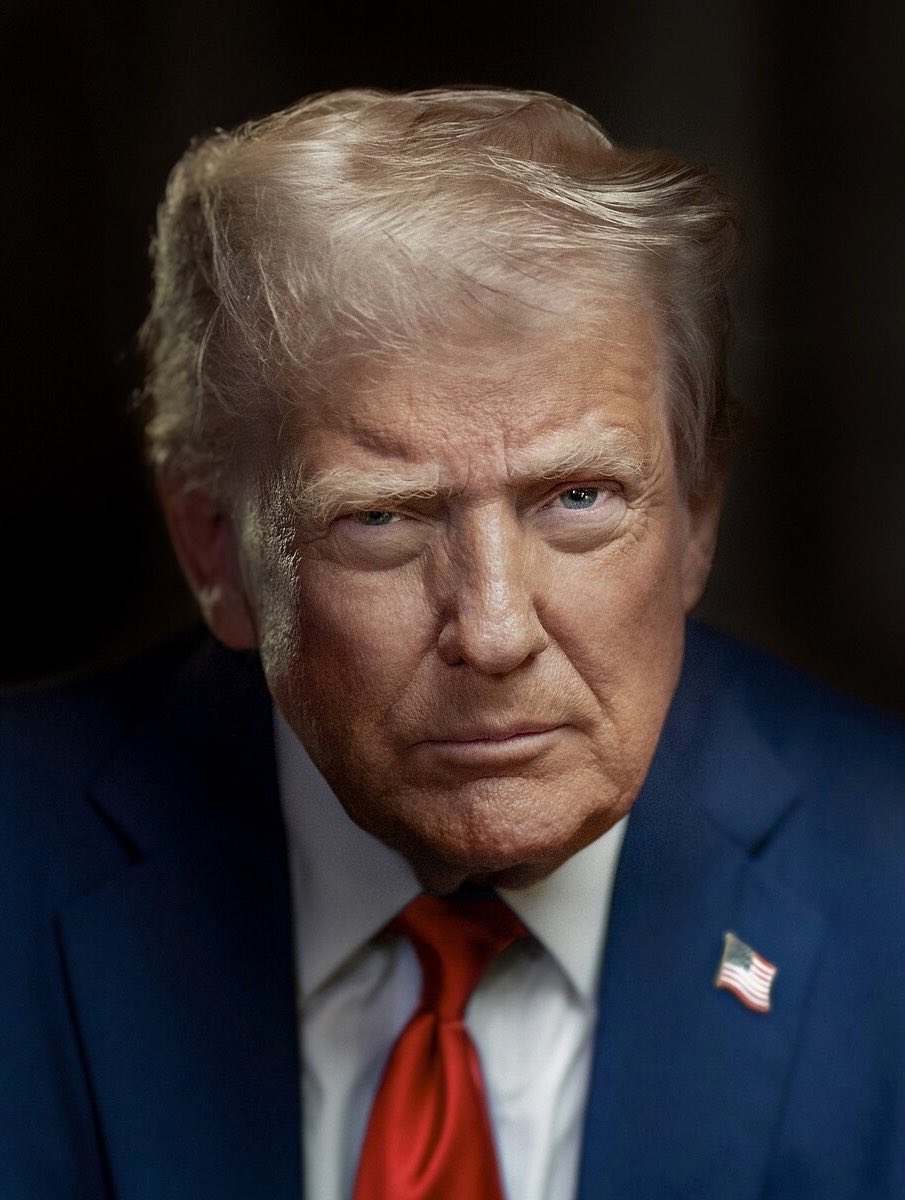

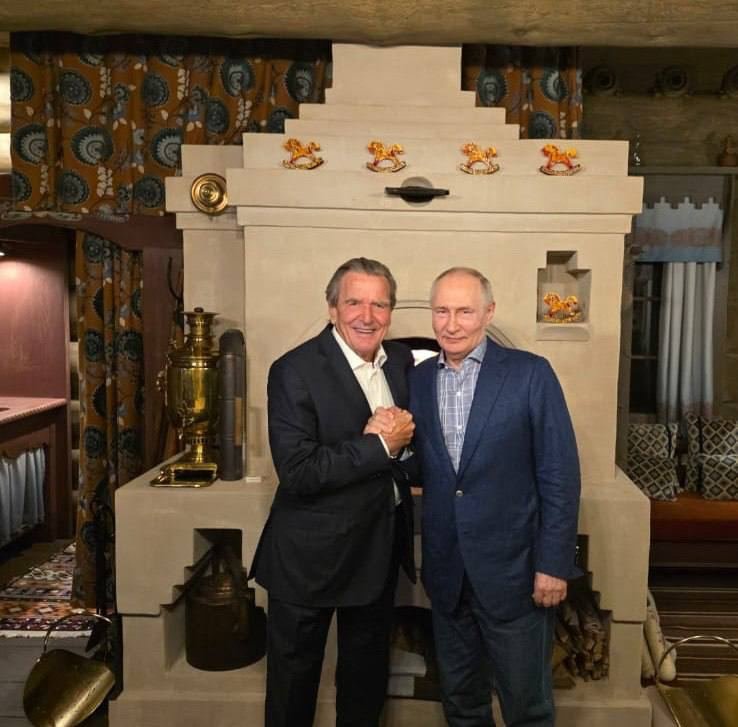

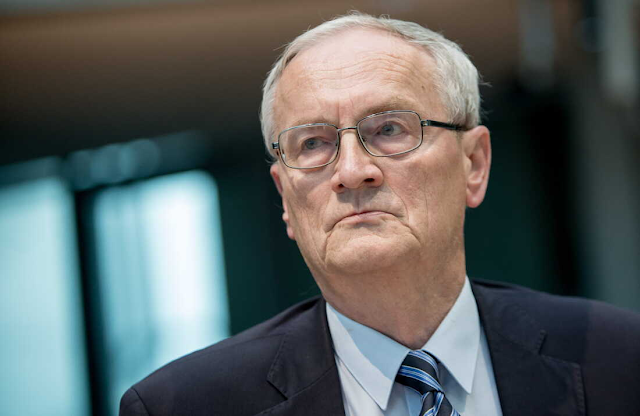
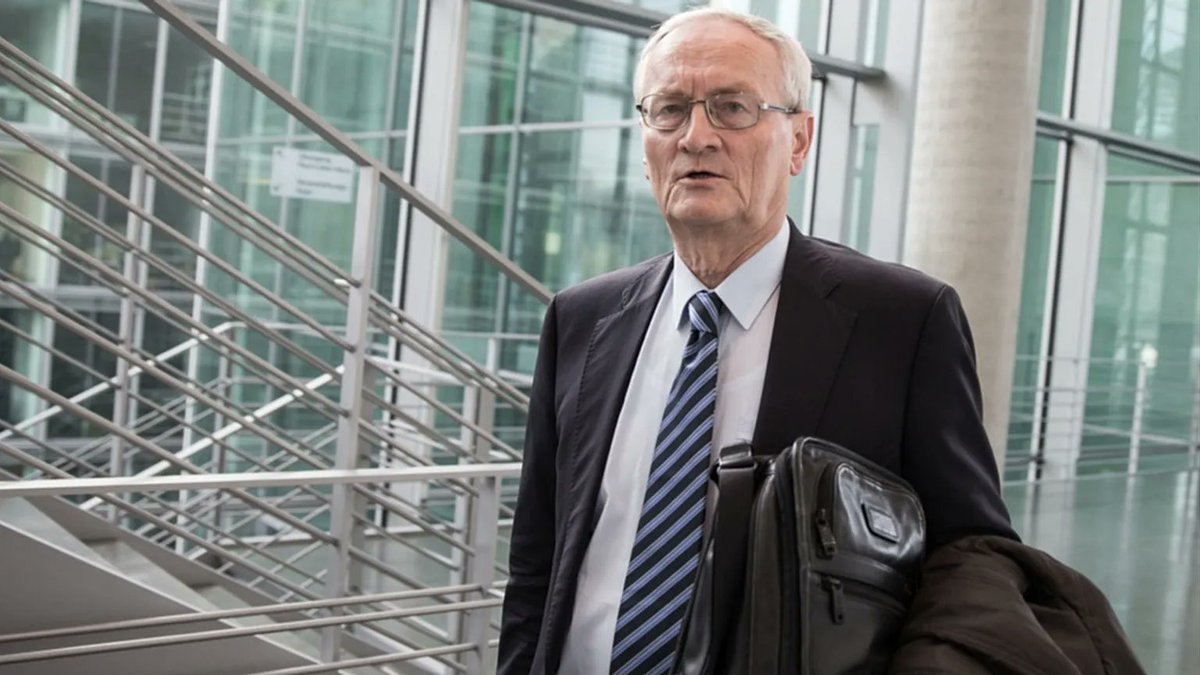


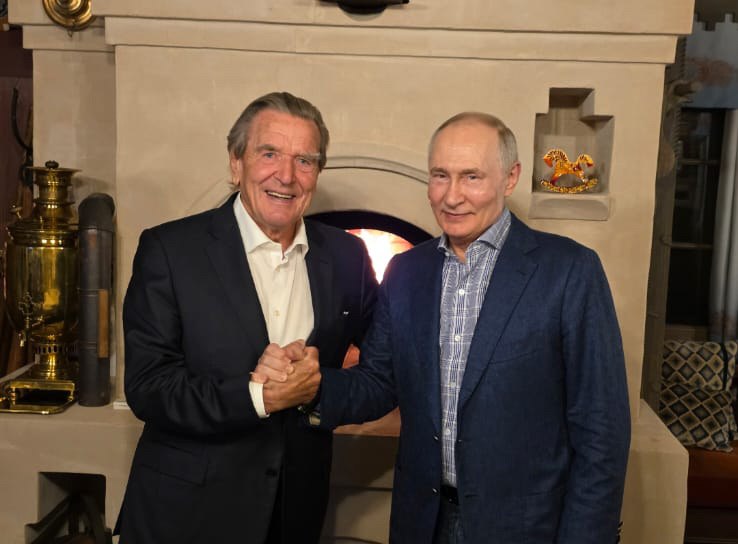




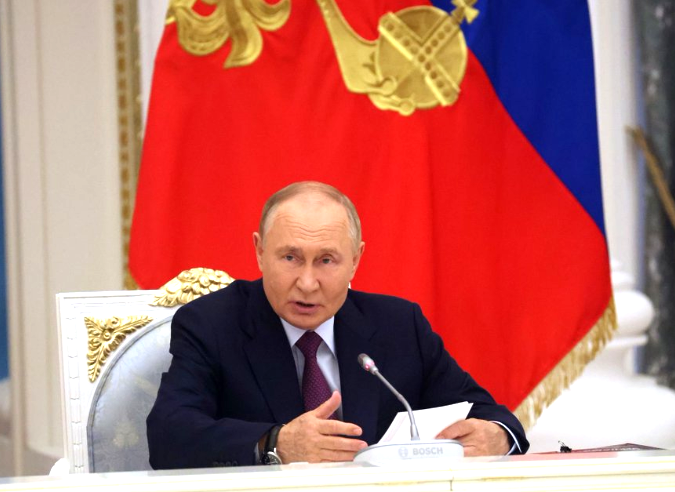

August Hanning – Selected Tweets
- (1) Michael Novakhov on X: “#Russia, #Israel, #Germany, and 9/11 If Russia, Israel, and Germany are behind 9/11, here are their hypothetical motivations. Russia intended to stop further unravelling of the USSR by turning the tables on the Western sponsors of Chechen separatists, including the US, Saudi https://t.co/QXBDmiXwnL” / X
- (4) Michael Novakhov on X: “#CIA CIA #FBI FBI #Mossad Mossad Russia, Israel, Germany, and 9/11 https://t.co/v5VSHRnWIN” / X
- (4) Michael Novakhov on X: “#CIA CIA #FBI FBI #Mossad Mossad August Hanning and 9/11 The “Missing Link” Context: Hanning allegedly used these stolen classified documents to draft a high-level analysis for an overseas intelligence officer. While German prosecutors have not yet named the specific foreign https://t.co/jfxM0MnUwC” / X
- (4) Michael Novakhov on X: “#CIA CIA #FBI FBI #Mossad Mossad My Opinion: It is very unlikely that any documents on the true origins of 9/11 exist in principle – the matter is so sensitive and explosive. The plan was known to the very few people, presumably to Putin the Mastermind, his second, Bortnikov, https://t.co/H61YSjaxlt” / X
- (1) Michael Novakhov on X: “#CIA CIA #FBI FBI #Mossad Mossad August Hanning’s communications implicate both Israel and Russia in the hypothetical origins of 9/11 – Google Search https://t.co/oimDBdRlEV The order of importance: Putin – FSB – Russia – Israel – Germany, each of whom had their own goals The https://t.co/5efhtt7U8W” / X
- Michael Novakhov on X: “#CIA CIA #FBI FBI #Mossad Mossad Germany’s former foreign intelligence chief August Hanning has been arrested on suspicion of treason. The Hamburg Cell Oversight The most significant connection between German intelligence and 9/11 was the failure to detect the “Hamburg Cell”. https://t.co/4B2vC71vM4″ / X
- (4) Michael Novakhov on X: “#CIA CIA #FBI FBI #Mossad Mossad The Azerbaijani SSS iis under control of Mossad, which likely was the final recipient of Hanning’s analysis. “The Azerbaijani Connection: While federal prosecutors have not officially named the country involved, news outlets including Der https://t.co/appAn6Ga5Y” / X
- (4) Michael Novakhov on X: “#Azerbaijan #CIA CIA #FBI FBI Azerbaijan is reportedly behind the corruption of the former German intelligence chief https://t.co/6GgIHpUmKg https://t.co/SUsXhHP8Vx” / X
- (4) Michael Novakhov on X: “#CIA CIA #FBI FBI #Mossad Mossad Reinvestigate 9/11 in the light of August Hanning’s arrest and investigation! – Tweets Review https://t.co/ZTNVr9uZ3j https://t.co/ZCzwmamCVE” / X
- (4) Michael Novakhov on X: “#CIA CIA #FBI FBI #Mossad Mossad At the Baku Security Forum, one chief spy less: the Albanian Vlora Hyseni was arrested – Google Search https://t.co/iI0pdNtsLQ https://t.co/h084IxAKUP” / X
- (4) Michael Novakhov on X: “#CIA CIA #FBI FBI #Mossad Mossad NEWS REVIEW https://t.co/l8xvaWjCX8” / X
- (4) Michael Novakhov on X: “#CIA CIA #FBI FBI #Mossad Mossad https://t.co/ih5ZTC6I0o” / X
-
–